Nickeline
A variety of Nickeline Group
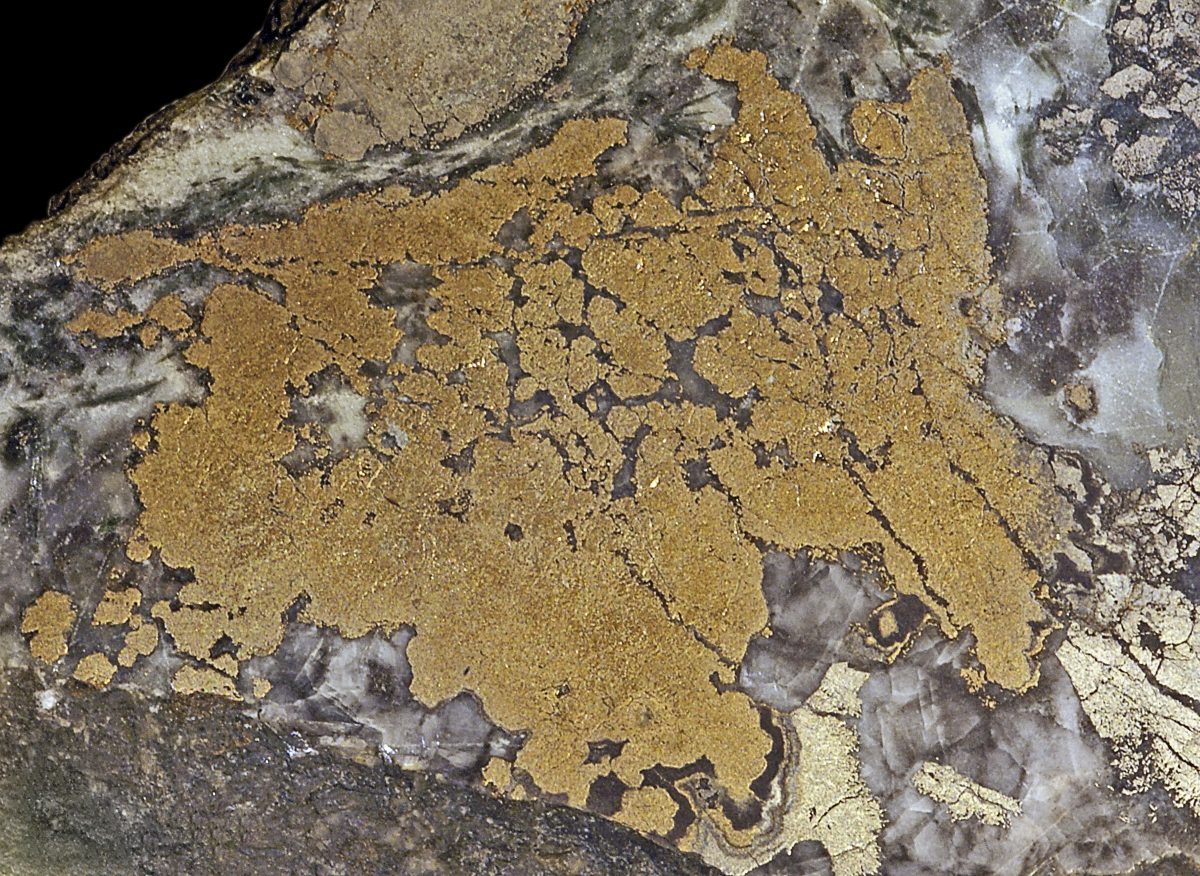
What is Nickeline?
Nickeline is one of the primary nickel minerals, and is mined commercially for nickel extraction. Nickeline is a desirable jewelry stone with its red and peach colors and luster when polished. It is typically carved into shaped cabochons for wear. The nickel that is obtained from nickeline is used to make batteries for mobile phones.
Etymology & Origins
When, in the medieval German Erzgebirge, or Ore Mountains, a red mineral resembling copper-ore was found, the miners looking for copper could extract none from it, as it contains none; worse yet, the ore also sickened them. They blamed a mischievous sprite of German mythology, Nickel (similar to Old Nick) for besetting the copper (German: Kupfer). This German equivalent of "copper-nickel" was used as early as 1694 (other old German synonyms are Rotnickelkies and Arsennickel). In 1751, Baron Axel Fredrik Cronstedt was attempting to extract copper from kupfernickel mineral, and obtained instead a white metal that he called after the spirit, nickel. In modern German, Kupfernickel and Kupfer-Nickel designates the alloy Cupronickel. The names subsequently given to the ore, nickeline from F. S. Beudant, 1832, and niccolite, from J. D. Dana, 1868, refer to the presence of nickel; in Latin, niccolum. In 1971, the International Mineralogical Association recommended use of the name nickeline rather than niccolite.
Uses & Applications
Nickeline is an important ore of nickel, which is an essential metal for batteries, alloy production, and for stainless steel. This mineral is occasionally used as a gemstone in jewelry such as bolo ties, rings, and pendants. However, any use of nickeline is rare because it contains arsenic.
Market Value Factors
Pricing varies for every rock and mineral, so use these universal factors to gauge Nickeline before comparing listings or appraisals.
Size & Weight
Larger, intact specimens usually command higher prices.
Rarity & Demand
Scarce material or popular varieties sell at a premium.
Condition & Finish
Chips, repairs, and heavy wear lower value; clean prep helps.
Treatment & Provenance
Untreated specimens with documented locality are prized.
Key Characteristics
Formation of Nickeline
Nickeline is formed by hydrothermal modification of ultramafic rocks and associated ore deposits, and may be formed by replacement of nickel-copper bearing sulfides (replacing pentlandite, and in association with copper arsenic sulfides), or via metasomatism of sulfide-free ultramafic rocks, where metasomatic fluids introduce sulfur, carbonate, and arsenic. This typically results in mineral assemblaged including millerite, heazelwoodite and metamorphic pentlandite-pyrite via sulfidation and associated arsenopyrite-nickeline-breithauptite. Associated minerals include: arsenopyrite, barite, silver, cobaltite, pyrrhotite, pentlandite, chalcopyrite, breithauptite and maucherite. Nickeline alters to annabergite (a coating of green nickel arsenate) on exposure to moist air. Most of these minerals can be found in the areas surrounding Sudbury and Cobalt, Ontario. Other localities include the eastern flank of the Widgiemooltha Dome, Western Australia, from altered pentlndite-pyrite-pyrrhotite assemblages within the Mariners, Redross and Miitel nickel mines where nickeline is produced by regional Au-As-Ag-bearing alteration and carbonate metasomatism. Other occurrences include within similarly modified nickel mines of the Kambalda area.
Composition of Nickeline
The unit cell of nickeline is used as the prototype of a class of solids with similar crystal structures. It consists of arsenic atoms in a distorted hexagonal close-packed structure with nickel atoms in "octahedral" sites, which in NiAs have distorted to become trigonal prismatic. Compounds adopting the NiAs structure are generally the chalcogenides, arsenides, antimonides and bismuthides of transition metals. The following are the members of the nickeline group: Achavalite: FeSe Breithauptite: NiSb Freboldite: CoSe Kotulskite: Pd(Te,Bi) Langistite: (Co,Ni)As Nickeline: NiAs Sobolevskite: Pd(Bi,Te) Sudburyite: (Pd,Ni)Sb
Health & Safety Information
- ⚠️Nickeline dust is toxic because it contains heavy metals Arsenic, Nickel.
- ⚠️Arsenic, Nickel
- ⚠️It's advisable to handle nickeline carefully to avoid generating dust and wash hands thoroughly afterward. When cutting or polishing nickeline, wear a dust mask to prevent inhaling heavy metal particles. Store nickeline in a sealed container in a well-ventilated area, away from children and pets. For those involved in crystal healing, never put it in your mouth.
Quick Facts
Physical Properties
- Color
- Pale copper red
- Hardness (Mohs)
- 5 - 5.5
- Rock tumbling
- With care
- Density
- 7.834 g/cm³
- Streak
- Pale brownish black
- Luster
- Metallic
- Crystal System
- Hexagonal
Chemical Properties
- Chemical Formula
- NiAs
- Elements
- As, Ni
Also Known As
Identify Nickeline Instantly
- Snap a photo, get instant results
- 6,700+ rocks, minerals & crystals
- Discover collecting spots near you
Nickeline FAQs
How do I identify Nickeline?
Nickeline can be identified by its hardness of 5 - 5.5 on the Mohs scale, Pale copper red color, Metallic luster, Hexagonal crystal system. Look for these key characteristics when examining specimens.
What color is Nickeline?
Nickeline typically appears in Pale copper red. Color can vary depending on impurities and formation conditions.
How hard is Nickeline?
Nickeline has a hardness of 5 - 5.5 on the Mohs scale. This gives it moderate hardness.
What is the formation of nickeline of Nickeline?
Nickeline is formed by hydrothermal modification of ultramafic rocks and associated ore deposits, and may be formed by replacement of nickel-copper bearing sulfides (replacing pentlandite, and in association with copper arsenic sulfides), or via metasomatism of sulfide-free ultramafic rocks, where metasomatic fluids introduce sulfur, carbonate, and arsenic. This typically results in mineral assemblaged including millerite, heazelwoodite and metamorphic pentlandite-pyrite via sulfidation and associated arsenopyrite-nickeline-breithauptite. Associated minerals include: arsenopyrite, barite, silver, cobaltite, pyrrhotite, pentlandite, chalcopyrite, breithauptite and maucherite. Nickeline alters to annabergite (a coating of green nickel arsenate) on exposure to moist air. Most of these minerals can be found in the areas surrounding Sudbury and Cobalt, Ontario. Other localities include the eastern flank of the Widgiemooltha Dome, Western Australia, from altered pentlndite-pyrite-pyrrhotite assemblages within the Mariners, Redross and Miitel nickel mines where nickeline is produced by regional Au-As-Ag-bearing alteration and carbonate metasomatism. Other occurrences include within similarly modified nickel mines of the Kambalda area.
What is the composition of nickeline of Nickeline?
The unit cell of nickeline is used as the prototype of a class of solids with similar crystal structures. It consists of arsenic atoms in a distorted hexagonal close-packed structure with nickel atoms in "octahedral" sites, which in NiAs have distorted to become trigonal prismatic. Compounds adopting the NiAs structure are generally the chalcogenides, arsenides, antimonides and bismuthides of transition metals. The following are the members of the nickeline group: Achavalite: FeSe Breithauptite: NiSb Freboldite: CoSe Kotulskite: Pd(Te,Bi) Langistite: (Co,Ni)As Nickeline: NiAs Sobolevskite: Pd(Bi,Te) Sudburyite: (Pd,Ni)Sb