Scorodite
A variety of Variscite Group
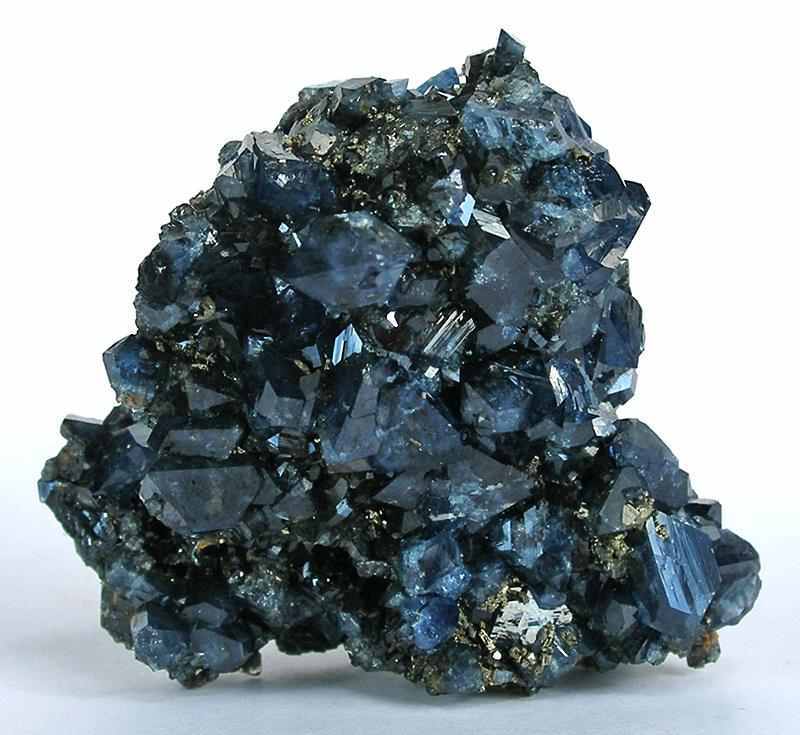
What is Scorodite?
Scorodite has fascinating color-changing properties in different lights, but the most memorable part of this mineral is that, when heated, it emits a powerful garlic odor. This odor is caused by its high arsenic concentration, which makes it less than desirable. Scorodite can cause severe discomfort when handled, or if dust is inhaled.
Etymology & Origins
Named from the Greek Scorodion, "garlicky". When heated it smells of garlic, which gives it the name.
Uses & Applications
It is found in hydrothermal deposits and as a secondary mineral in gossans worldwide.
Healing Properties
Scorodite works on the Throat, Heart, and Solar Plexus chakras with positive energy that encourages a balance between the mind, body and soul. It may help to stimulate the mind and is a good stone for anyone engaged in long research or investigative work. It unleashes creativity and promotes cognitive thinking. It helps to remove negative thoughts and old feelings of guilt from the past allowing forgiveness and healing.
Market Value Factors
Pricing varies for every rock and mineral, so use these universal factors to gauge Scorodite before comparing listings or appraisals.
Size & Weight
Larger, intact specimens usually command higher prices.
Rarity & Demand
Scarce material or popular varieties sell at a premium.
Condition & Finish
Chips, repairs, and heavy wear lower value; clean prep helps.
Treatment & Provenance
Untreated specimens with documented locality are prized.
Geochemistry
Scorodite weathers to limonite.
Associated Chakras


Health & Safety Information
- ⚠️Scorodite dust is toxic because it contains heavy metals Arsenic.
- ⚠️Arsenic
- ⚠️It's advisable to handle scorodite carefully to avoid generating dust and wash hands thoroughly afterward. When cutting or polishing scorodite, wear a dust mask to prevent inhaling heavy metal particles. Store scorodite in a sealed container in a well-ventilated area, away from children and pets. For those involved in crystal healing, never put it in your mouth.
Quick Facts
Physical Properties
- Color
- Green, blue-green, grey, grayish-green, blue, yellow-brown, nearly colourless, violet, colourless to faintly greenish or greenish brown in transmitted light
- Hardness (Mohs)
- 3.5 - 4
- Rock tumbling
- Not recommended
- Density
- 3.276 g/cm³
- Streak
- Greenish-White
- Luster
- Vitreous, Resinous, Sub-adamantine
- Crystal System
- Orthorhombic
Chemical Properties
- Chemical Formula
- Fe3+AsO4 · 2H2O
- Elements
- As, Fe, H, O
Also Known As
Identify Scorodite Instantly
- Snap a photo, get instant results
- 6,700+ rocks, minerals & crystals
- Discover collecting spots near you
Scorodite FAQs
How do I identify Scorodite?
Scorodite can be identified by its hardness of 3.5 - 4 on the Mohs scale, Green color, Vitreous, Resinous, Sub-adamantine luster, Orthorhombic crystal system. Look for these key characteristics when examining specimens.
What color is Scorodite?
Scorodite typically appears in Green, blue-green, grey, grayish-green, blue, yellow-brown, nearly colourless, violet, colourless to faintly greenish or greenish brown in transmitted light. Color can vary depending on impurities and formation conditions.
How hard is Scorodite?
Scorodite has a hardness of 3.5 - 4 on the Mohs scale. This gives it moderate hardness.
