Annabergite
A variety of Vivianite Group
What is Annabergite?
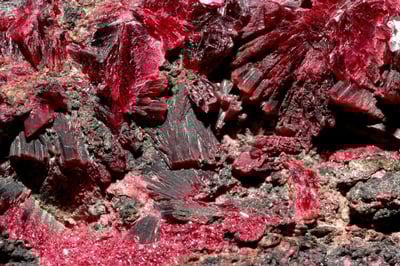
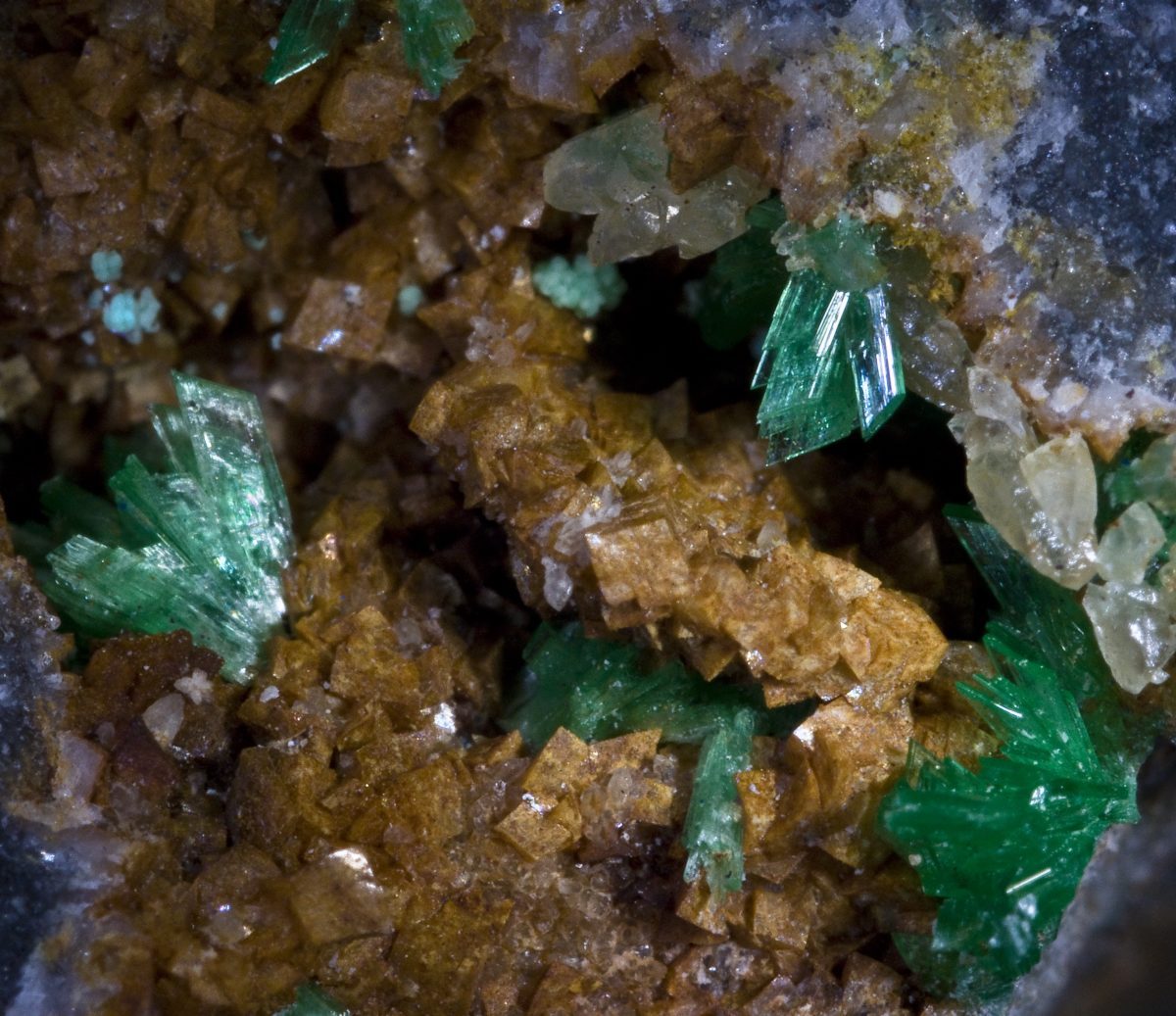
The crystalline properties of annabergite can range on the color spectrum from pearlescent pink to grassy-green, with brilliant green being most common and desirable. Cobalt concentration causes the variable colors. It is exceptionally rich in nickel and rare to find, with only one large deposit in Greece.
Etymology & Origins
It was long known (since 1758) under the name nickel bloom; the name annabergite was proposed by H. J. Brooke and W H. Miller in 1852, from Annaberg in Saxony, one of the localities of the mineral. It occurs with ores of nickel, of which it is a product of alteration.
Uses & Applications
Annabergite is used as a minor source of nickel. Nickel is used in coins, the process of hydrogenating oils, and batteries, as well as in metal alloys due to its corrosion resistance. Annabergite is also occasionally collected as a mineral specimen but its crystals are too small for use in jewelry.
Market Value Factors
Pricing varies for every rock and mineral, so use these universal factors to gauge Annabergite before comparing listings or appraisals.
Size & Weight
Larger, intact specimens usually command higher prices.
Rarity & Demand
Scarce material or popular varieties sell at a premium.
Condition & Finish
Chips, repairs, and heavy wear lower value; clean prep helps.
Treatment & Provenance
Untreated specimens with documented locality are prized.
Key Characteristics
Rock Types of Annabergite
A variety, from Creetown in Kirkcudbrightshire, in which a portion of the nickel is replaced by calcium, has been called dudgeonite, after P. Dudgeon, who found it.
Characteristics of Annabergite
A fine apple-green color is its characteristic feature.
Health & Safety Information
- ⚠️Annabergite dust is toxic because it contains heavy metals Arsenic, Nickel.
- ⚠️It's advisable to handle annabergite carefully to avoid generating dust and wash hands thoroughly afterward. When cutting or polishing annabergite, wear a dust mask to prevent inhaling heavy metal particles. Store annabergite in a sealed container in a well-ventilated area, away from children and pets. For those involved in crystal healing, never put it in your mouth.
Quick Facts
Physical Properties
- Color
- Green, light grey to light apple green, white, pale rose red when rich in cobalt
- Hardness (Mohs)
- 1.5 - 2.5
- Rock tumbling
- Not recommended
- Density
- 3.146 g/cm³
- Streak
- Pale green to white, paler than the mineral color
- Luster
- Pearly, Dull, Sub-vitreous, Sub-adamantine
- Crystal System
- Monoclinic
Chemical Properties
- Chemical Formula
- Ni3(AsO4)2 · 8H2O
- Elements
- As, H, Ni, O
Also Known As
Identify Annabergite Instantly
- Snap a photo, get instant results
- 6,700+ rocks, minerals & crystals
- Discover collecting spots near you
Annabergite FAQs
How do I identify Annabergite?
Annabergite can be identified by its hardness of 1.5 - 2.5 on the Mohs scale, Green color, Pearly, Dull, Sub-vitreous, Sub-adamantine luster, Monoclinic crystal system. Look for these key characteristics when examining specimens.
What color is Annabergite?
Annabergite typically appears in Green, light grey to light apple green, white, pale rose red when rich in cobalt. Color can vary depending on impurities and formation conditions.
How hard is Annabergite?
Annabergite has a hardness of 1.5 - 2.5 on the Mohs scale. This makes it a soft mineral that can be scratched easily.
What is the rock types of annabergite of Annabergite?
A variety, from Creetown in Kirkcudbrightshire, in which a portion of the nickel is replaced by calcium, has been called dudgeonite, after P. Dudgeon, who found it.
What is the characteristics of annabergite of Annabergite?
A fine apple-green color is its characteristic feature.