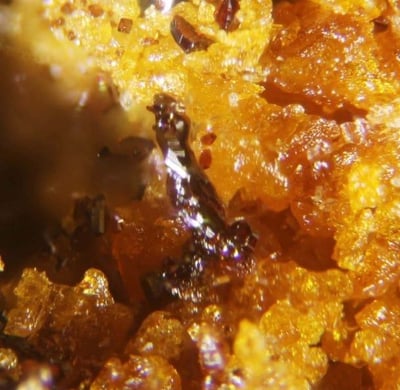
Diopside
A variety of Clinopyroxene Subgroup
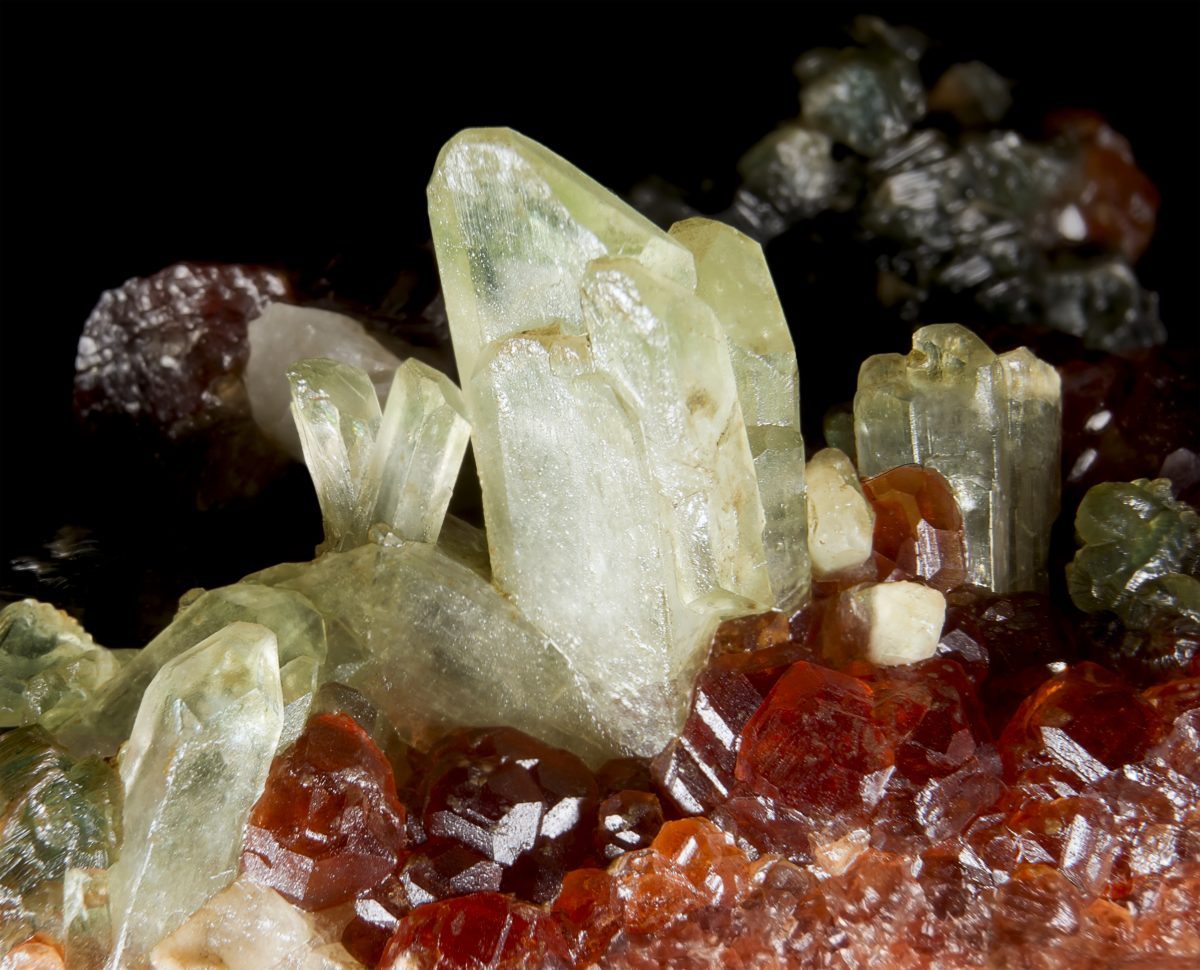
What is Diopside?
Diopside is attractive and prized for its jewelry-worthy gems. It is a softer mineral, more easily scratched, and is thus mostly recommended for earrings and necklaces. More importantly, its presence in a mine can be a sign that diamond deposits are close by. Fragments of diopside have also been found in meteorites, giving this gemstone choice an air of the extraterrestrial.
Etymology & Origins
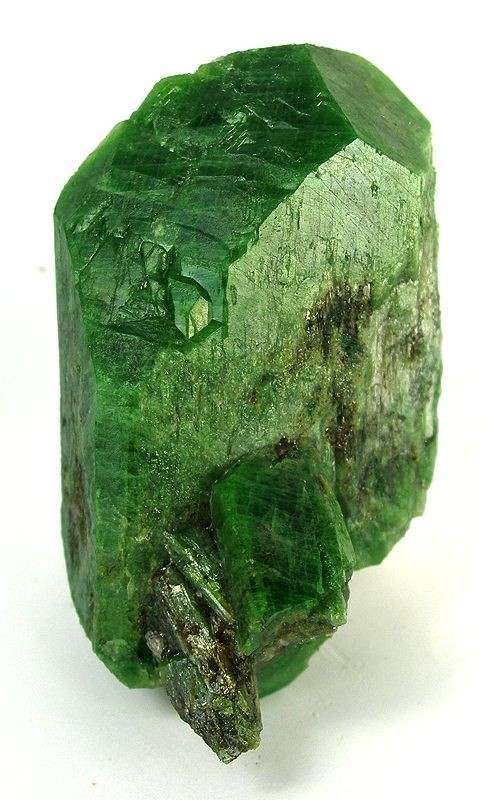
Gemstone quality diopside is found in two forms: black star diopside and chrome diopside (which includes chromium, giving it a rich green color). At 5.5–6.5 on the Mohs scale, chrome diopside is relatively soft to scratch. Due to the deep green color of the gem, they are sometimes referred to as Siberian emeralds, although they are on a mineralogical level completely unrelated, emerald being a precious stone and diopside being a semi-precious stone. Violane is a manganese-rich variety of diopside, violet to light blue in color.
Uses & Applications
Due to its rarity and beauty, diopside is commonly used as a gemstone in jewelry, and can be found in mineral collections. Its gorgeous green color makes this mineral a great alternative to emeralds. Diopside has shown promise in the glass and ceramics industries, but specimens are rarely large enough for any industrial use.
Healing Properties
Diopside is a stone of empowerment and is often used by those whose inner sorrow has been held back too long. It encourages love for others and enables better understanding of the physical and spiritual self. It boosts creativity and stimulates the intellect, allowing for greater learning and a higher level of discipline. It works on the Heart chakra and encourages the user to be more appreciative of life.
Optical Properties
- Refractive Index
- 1.664-1.730
- Birefringence
- 0.024-0.030
- Pleochroism
- Trichroism: Light green, yellow green, dark green
- Optical Character
- Biaxial positive
- Dispersion
- 0.017-0.020
Market Value Factors
Pricing varies for every rock and mineral, so use these universal factors to gauge Diopside before comparing listings or appraisals.
Size & Weight
Larger, intact specimens usually command higher prices.
Rarity & Demand
Scarce material or popular varieties sell at a premium.
Condition & Finish
Chips, repairs, and heavy wear lower value; clean prep helps.
Treatment & Provenance
Untreated specimens with documented locality are prized.
Where to Find Diopside
RockHoundR, the free-to-download rockhounding map from the Ruby Glint team, shows where collectors find diopside in the US, with land-access notes for BLM land and national forests. Collecting is banned in national parks.
See where to find diopsideAlways check the local rules and get the landowner's permission before you collect.
The Meaning
Diopside comes from the Greek words "di" and "opsis," meaning "double vision." Ancient Greek peoples would place a chunk of diopside on their forehead to encourage good dreams. People would also bury their dead with this crystal to ensure their reincarnation back into the Earth.
Associated Chakras


Key Characteristics
Formation of Diopside
Diopside is found in ultramafic (kimberlite and peridotite) igneous rocks, and diopside-rich augite is common in mafic rocks, such as olivine basalt and andesite. Diopside is also found in a variety of metamorphic rocks, such as in contact metamorphosed skarns developed from high silica dolomites. It is an important mineral in the Earth's mantle and is common in peridotite xenoliths erupted in kimberlite and alkali basalt.
More Images
Quick Facts
Physical Properties
- Color
- Light to dark green, blue, brown, colourless, snow white, grey, pale violet
- Hardness (Mohs)
- 5.5 - 6.5
- Rock tumbling
- With care
- Density
- 3.22 - 3.38 g/cm³
- Streak
- White
- Luster
- Vitreous, Dull
- Crystal System
- Monoclinic
Chemical Properties
- Chemical Formula
- CaMgSi2O6
- Elements
- Ca, Mg, Si, O
Also Known As
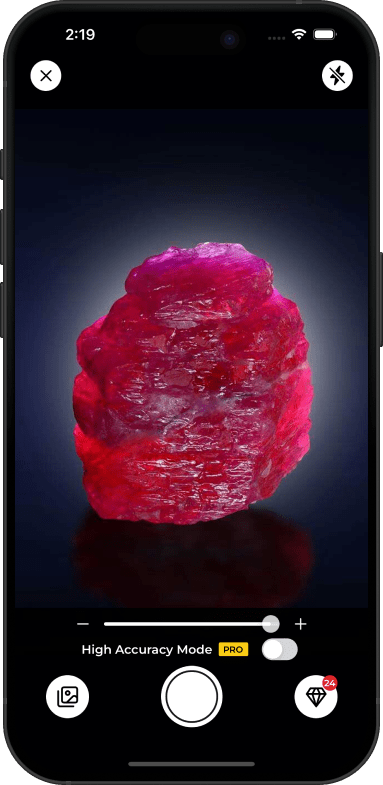
Identify Diopside Instantly
- Snap a photo, get instant results
- 6,700+ rocks, minerals & crystals
- Discover collecting spots near you
Diopside FAQs
How do I identify Diopside?
Diopside can be identified by its hardness of 5.5 - 6.5 on the Mohs scale, Light to dark green color, Vitreous, Dull luster, Monoclinic crystal system. Look for these key characteristics when examining specimens.
What color is Diopside?
Diopside typically appears in Light to dark green, blue, brown, colourless, snow white, grey, pale violet. Color can vary depending on impurities and formation conditions.
How hard is Diopside?
Diopside has a hardness of 5.5 - 6.5 on the Mohs scale. This gives it moderate hardness.
What is the formation of diopside of Diopside?
Diopside is found in ultramafic (kimberlite and peridotite) igneous rocks, and diopside-rich augite is common in mafic rocks, such as olivine basalt and andesite. Diopside is also found in a variety of metamorphic rocks, such as in contact metamorphosed skarns developed from high silica dolomites. It is an important mineral in the Earth's mantle and is common in peridotite xenoliths erupted in kimberlite and alkali basalt.