Amphibolite
A variety of Metamorphic

What is Amphibolite?
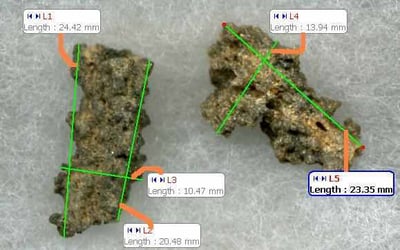
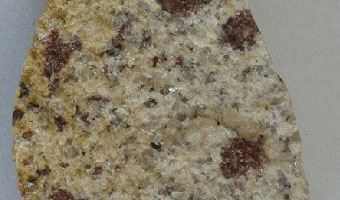
Amphibolite is a common, often coarsely-speckled metamorphic rock that contains primarily amphibole and plagioclase feldspar (the former is dark, often black, and the latter is white). Because it is hard, takes a polish well, and sports a handsome pattern, amphibolite is commonly used for paving stones or building facades.
Uses & Applications
While amphibolite can be used like many other rocks for construction materials, occasionally it also contains a significant amount of garnets. The garnet mined from amphibolite then can be cut and polished for gemstones, or it can be ground into smaller pieces to be used as an abrasive.
Discover Values
Market Value Factors
Pricing varies for every rock and mineral, so use these universal factors to gauge Amphibolite before comparing listings or appraisals.
Size & Weight
Larger, intact specimens usually command higher prices.
Rarity & Demand
Scarce material or popular varieties sell at a premium.
Condition & Finish
Chips, repairs, and heavy wear lower value; clean prep helps.
Treatment & Provenance
Untreated specimens with documented locality are prized.
Key Characteristics
Composition of Amphibolite
Metamorphic rocks composed primarily of amphibole, plagioclase, with subordinate epidote, zoisite, chlorite, quartz, titanite, and accessory leucoxene, ilmenite and magnetite which have a protolith of an igneous rock are known as Orthoamphibolite. Para-amphibolite will generally have the same equilibrium mineral assemblage as orthoamphibolite, with more biotite, and may include more quartz, plagioclase, and depending on the protolith, more calcite/aragonite and wollastonite.
More Images


Quick Facts
Physical Properties
- Color
- Black, green, brown, etc.
- Hardness (Mohs)
- 6 - 7
- Rock tumbling
- With care
- Density
- 2.85 - 3.07 g/cm³
Identify Amphibolite Instantly
- Snap a photo, get instant results
- 6,700+ rocks, minerals & crystals
- Discover collecting spots near you
Amphibolite FAQs
How do I identify Amphibolite?
Amphibolite can be identified by its hardness of 6 - 7 on the Mohs scale, Black color. Look for these key characteristics when examining specimens.
What color is Amphibolite?
Amphibolite typically appears in Black, green, brown, etc.. Color can vary depending on impurities and formation conditions.
How hard is Amphibolite?
Amphibolite has a hardness of 6 - 7 on the Mohs scale. This gives it moderate hardness.
What is the composition of amphibolite of Amphibolite?
Metamorphic rocks composed primarily of amphibole, plagioclase, with subordinate epidote, zoisite, chlorite, quartz, titanite, and accessory leucoxene, ilmenite and magnetite which have a protolith of an igneous rock are known as Orthoamphibolite. Para-amphibolite will generally have the same equilibrium mineral assemblage as orthoamphibolite, with more biotite, and may include more quartz, plagioclase, and depending on the protolith, more calcite/aragonite and wollastonite.