Sapphire Value Calculator
Find out what your sapphire is worth in seconds, with 2026 market data. Use this sapphire price calculator to estimate value by carat, color, clarity, origin, and treatment.
Last updated:
Whether you are buying, selling, insuring, or getting a sapphire appraisal, this tool produces a realistic price range using the same six factors that gem dealers, auction houses, and certified labs price on.
Sapphire Value Calculator
Question 1 of 6
Valuing: Sapphire
Estimate the carat weight of your sapphire:
Sapphire Price Per Carat: 2026 Market Reference
Approximate sapphire value per carat across quality tiers for heated blue sapphire. Use the calculator above for a personalized estimate.
| Carat Range | Commercial | Fine Blue | Top Royal / Cornflower |
|---|---|---|---|
| Under 0.5 ct | $50-$300 | $500-$1,500 | $1,500-$4,000 |
| 0.5-1 ct | $100-$500 | $700-$2,500 | $2,500-$6,000 |
| 1-2 ct | $200-$1,000 | $1,500-$5,000 | $5,000-$12,000 |
| 2-3 ct | $400-$2,000 | $3,000-$8,000 | $10,000-$25,000 |
| 3-5 ct | $800-$3,500 | $5,000-$15,000 | $20,000-$60,000 |
| 5+ ct | $1,500-$5,000 | $10,000-$30,000 | $40,000-$200,000+ |
Ranges reflect 2026 wholesale-to-retail bands for heat-treated blue sapphire. Certified unheated stones, Kashmir provenance, and fine padparadscha can sit well above the top band. Use the calculator for origin- and treatment-adjusted estimates.
Want a photo-based estimate? Upload a sapphire photo to our gemstone value calculator for an AI-powered appraisal that factors in saturation, extinction, and cut quality visible in the photograph.
What Different Sapphires Look Like
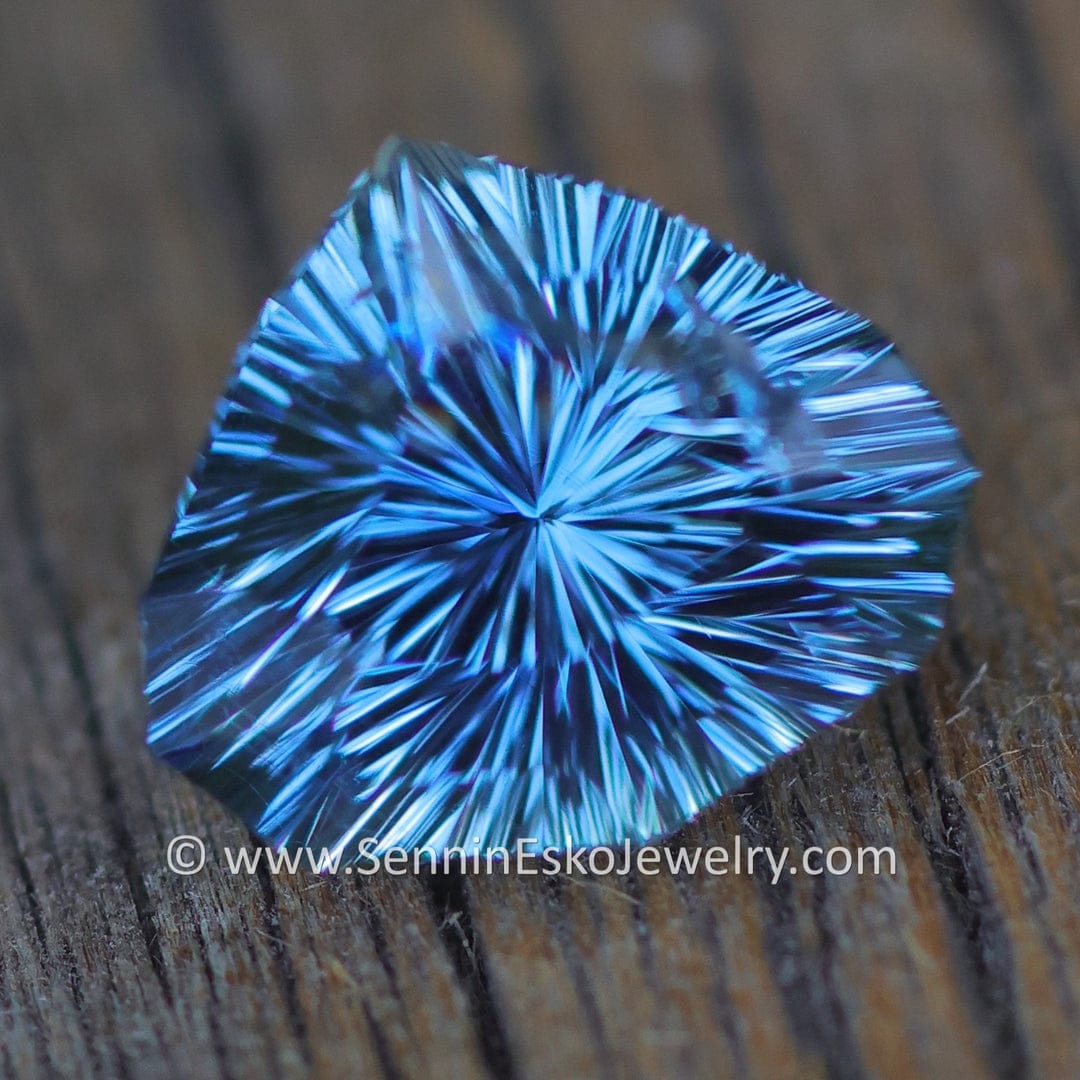
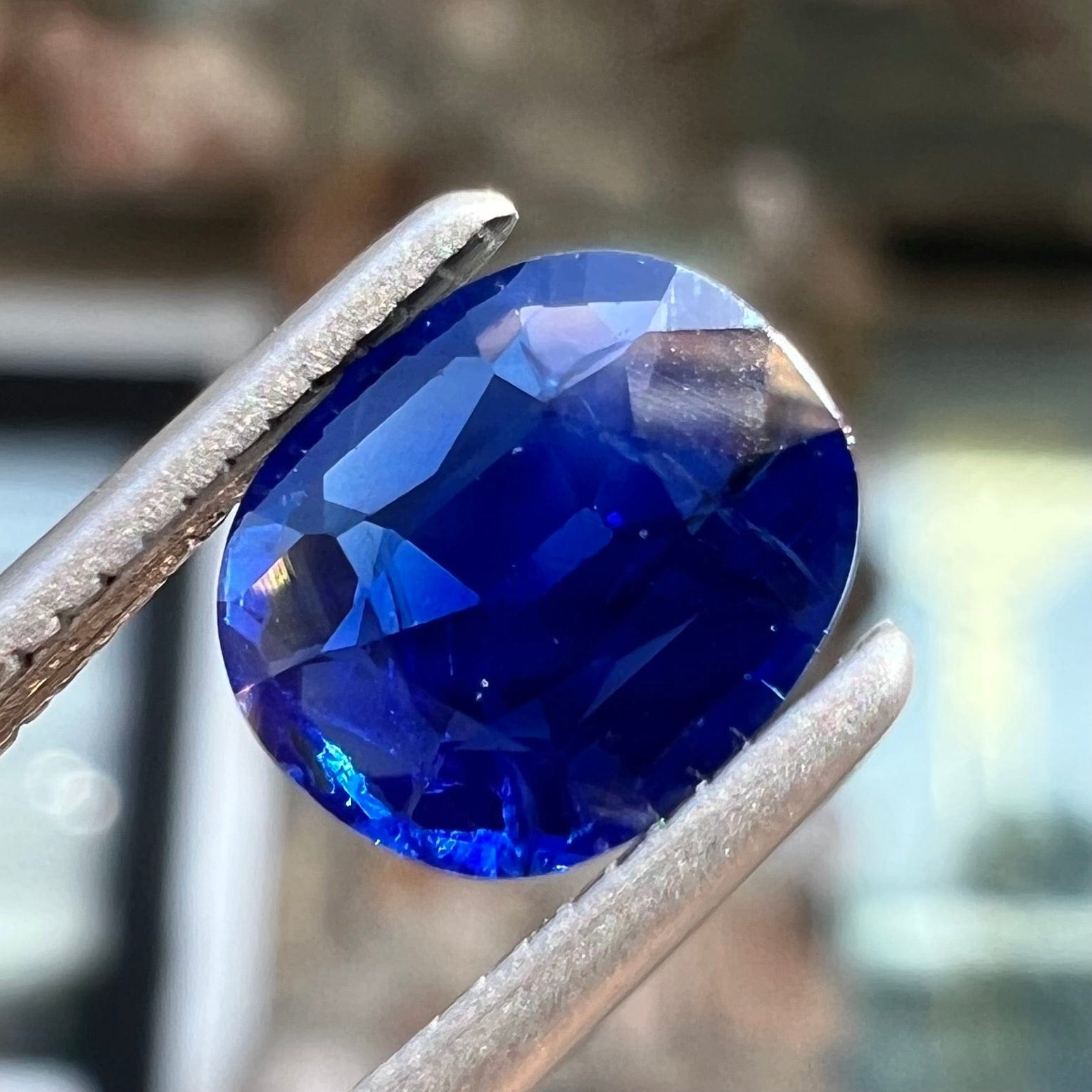
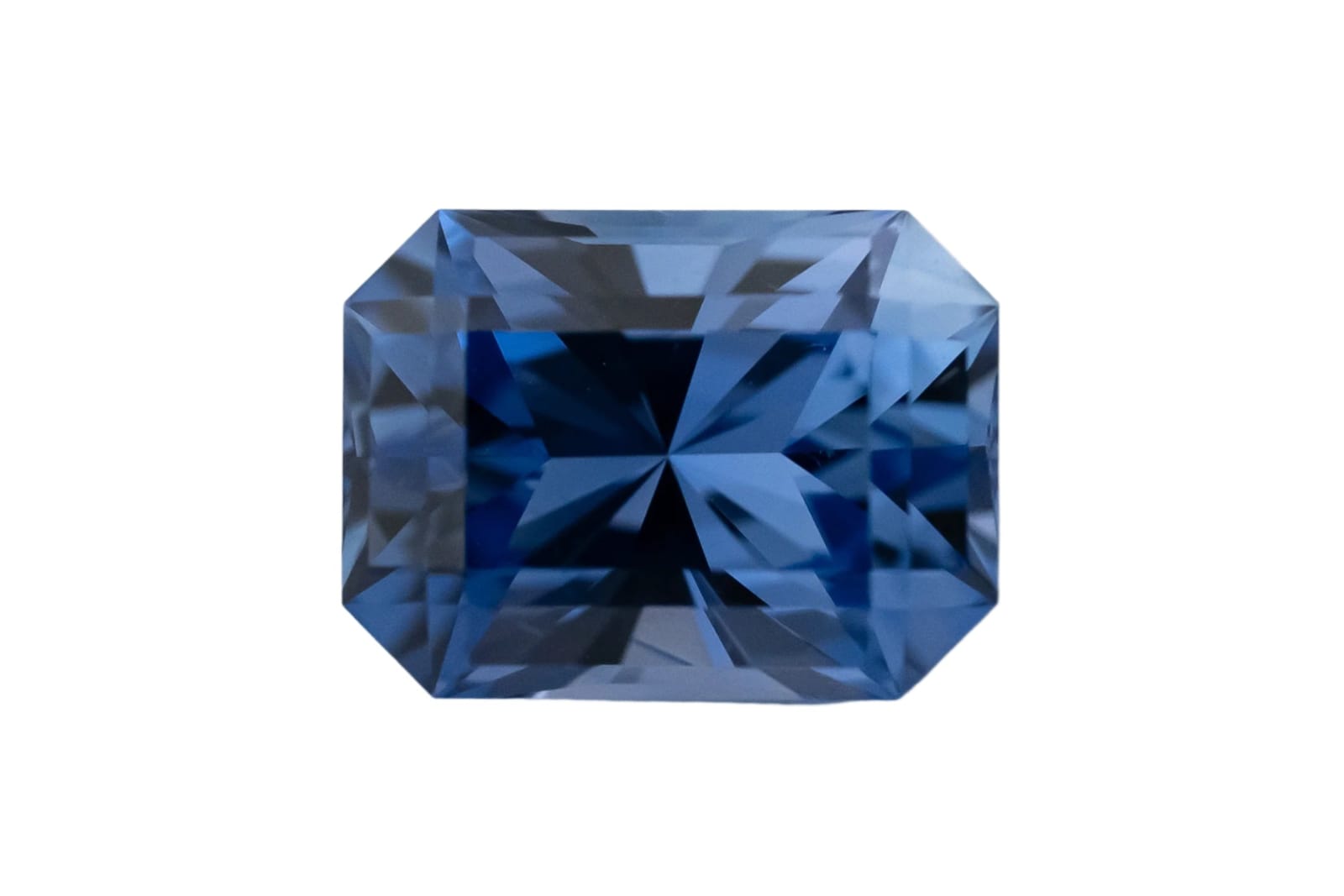
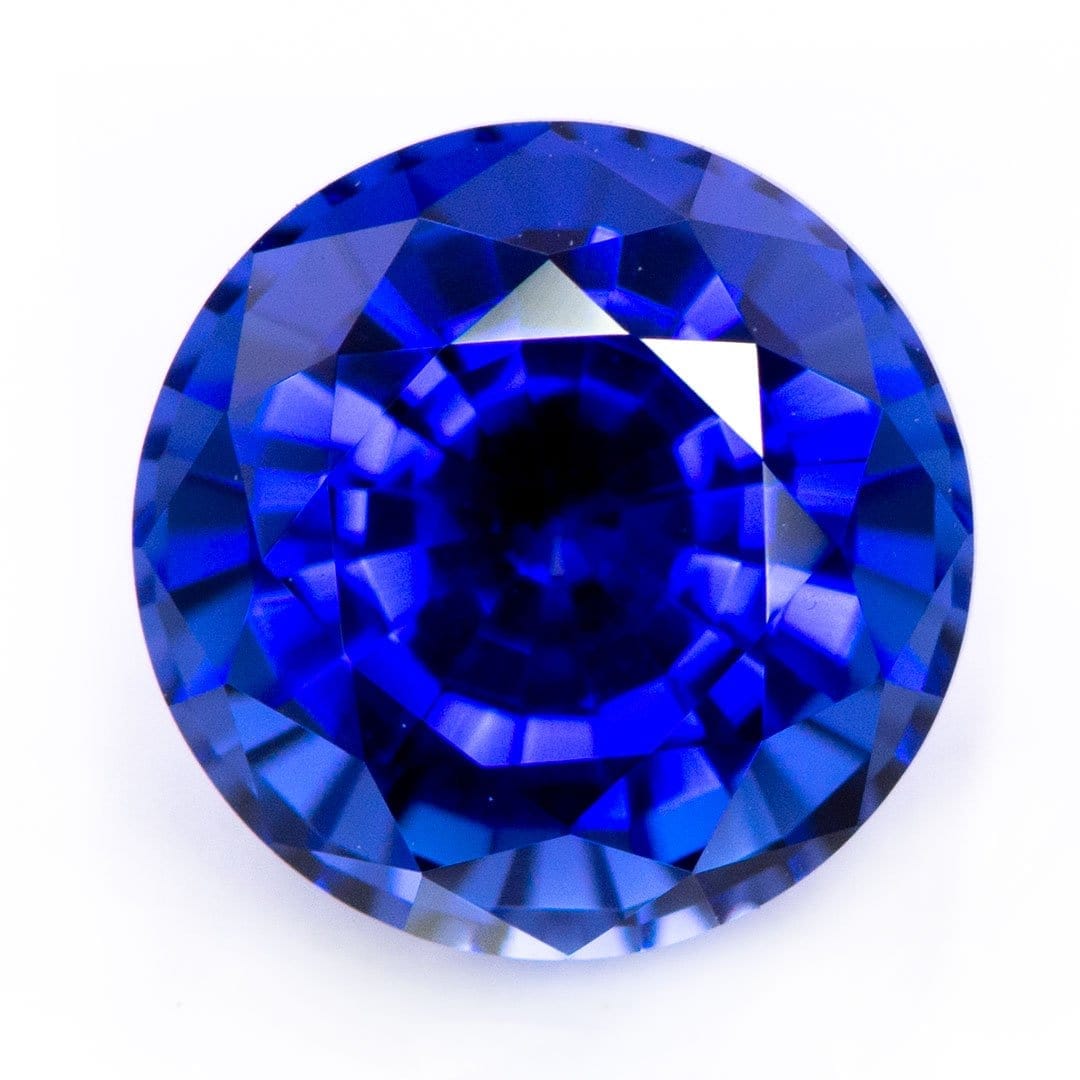
Color saturation, cut, and tone all change the per-carat price. These examples show how the same species can read very differently face-up.
What Determines How Much a Sapphire Is Worth?
Six factors drive sapphire gemstone value. Here is how each one works.
Color: The Dominant Factor
Color drives roughly half of a sapphire's value. For blue sapphire, the ideal is a vivid medium-to-medium-dark blue with strong saturation and minimal grey or green. The market calls this “royal blue” or, when it has a slightly softer velvety character, “cornflower blue.” Kashmir sapphires are prized for a velvety appearance that looks luminous even in dim light.
Tone matters as much as hue. Inky, too-dark stones lose brilliance; pale stones lose presence. Color zoning — bands of stronger and weaker blue — also reduces value, which is why skilled cutters orient sapphire rough to bring color into the face-up view. Outside blue, padparadscha (a balanced pink-orange) and intensely saturated pink and yellow sapphires can rival blue prices.
Origin: Kashmir, Burma, Ceylon and Beyond
Certified origin is one of the most powerful price drivers in the sapphire market. Kashmir holds the top spot: a tiny Himalayan deposit produced its finest output between 1881 and the late 1880s, and modern supply is essentially limited to recirculating old stones. Certified Kashmir sapphires routinely sell at 5–20× the price of visually identical stones from other sources.
Burma (Mogok) produces the second-most prestigious blue sapphires, often with a slight purple secondary that collectors prize. Sri Lanka (Ceylon) is the world's most consistent source of fine blue, padparadscha, and pastel fancy sapphires. Madagascar produces excellent royal blue material at more accessible prices. Australian and Thai stones skew darker; Montana sapphires — especially Yogo — have a distinct teal-blue character with a strong domestic following. Origin should be confirmed with a GIA, AGL, Gübelin, or SSEF certificate.
Treatment: Unheated vs Heated vs Diffused
Standard heat treatment is the most common sapphire enhancement and is fully accepted in the trade. It improves color saturation and dissolves silk inclusions, and the vast majority of sapphires on the market have been heated. Heated prices form the “baseline” you see in retail shops.
Certified unheated sapphires command 2–5× the price of comparable heated stones because finished color from the ground is rare. Lattice diffusion (commonly beryllium for orange and pink-orange) is considered a heavy treatment and prices substantially below heated equivalents. Glass-filled or surface-coated sapphires are durability-limited and trade at a fraction of natural-stone prices. Always insist on a recent lab certificate for high-value purchases.
Clarity: Eye-Clean Is the Standard
Sapphire is a Type II gem in the GIA clarity system, meaning some inclusions are expected. The trade standard is “eye-clean”: no inclusions visible to the unaided eye at normal viewing distance. Loupe-clean fine sapphires command meaningful premiums.
Fine rutile silk in unheated stones can actually add value — it's a hallmark of Kashmir velvety blue and a fingerprint of provenance. Heavy fractures, dark crystals, visible cavities, or hazy zones reduce value sharply, especially when they break the face-up appearance or threaten durability.
Carat Weight and the Rarity Curve
Sapphire prices scale non-linearly with size. A 2-carat fine blue sapphire isn't just twice the price of a 1-carat stone — it's often 3–4× the total because the supply of fine rough drops off quickly past 1 carat.
Significant per-carat jumps occur at the 1, 2, 3, 5, and 10-carat thresholds. Above 10 carats, certified fine blue and Kashmir sapphires routinely cross the $100,000-per-carat mark. Star sapphires follow a different curve — sharpness of the six-ray asterism and body color dominate over weight at the top end.
Cut Quality
Sapphire is cut for color, not for diamond-style ideal proportions. A well-cut sapphire shows bright, even color face-up, with no windowing (a transparent area in the center) and no large extinction zones (black areas as the stone tilts).
Cushion and oval cuts dominate the market because they retain weight and orient color zoning favorably. Rounds and emerald cuts are less common and can carry a small per-carat premium when well executed. Asymmetrical or windowed cuts reduce value by 15–40% versus a clean cut on identical rough.
Sapphire Prices by Origin: Kashmir, Burma, Ceylon, Madagascar & Montana
Origin is one of the strongest single price drivers in the sapphire market. Here is what each major source typically trades for.
Kashmir Sapphires (India)
Mined intensively from 1881 to roughly 1887 in the Padar/Sumjam area, Kashmir sapphires are defined by a velvety, slightly sleepy royal-to-cornflower blue. Because primary production effectively stopped over a century ago, Kashmir-origin certificates from GIA, Gübelin, or SSEF act almost like a second carat-weight multiplier.
Price range (fine quality): $20,000–$80,000/ct for heated certified Kashmir, $40,000–$200,000+/ct for unheated fine pieces above 3 carats.
Burmese Sapphires (Myanmar / Mogok)
Burma produces the second-most prestigious blue sapphires, with a slight purple secondary and intense saturation. Star sapphires from Mogok are also benchmarks for the variety. Treatment-aware buyers prize unheated Burmese stones for the combination of strong color and historical pedigree.
Price range (fine quality): $3,000–$15,000/ct for heated, $8,000–$60,000/ct for unheated royal blue.
Ceylon / Sri Lankan Sapphires
Sri Lanka is the world's most consistent source of fine sapphire across the spectrum: royal blue, cornflower blue, pastel pink, yellow, white, and padparadscha. Ceylon sapphires tend toward higher transparency and slightly lighter tones than Burma, which suits modern tastes for bright, lively stones.
Price range (fine quality): $1,500–$6,000/ct for heated, $4,000–$25,000/ct for unheated fine blue; padparadscha $5,000–$50,000+/ct.
Madagascar Sapphires
Madagascar (Ilakaka and Andranondambo) has been a leading source since the late 1990s. The finest Madagascar sapphires rival Burmese royal blue and Ceylon cornflower blue, and the origin is increasingly seen by collectors as a value play while old-source stones become harder to find.
Price range (fine quality): $1,000–$5,000/ct for heated, $3,000–$15,000/ct for unheated.
Australian, Thai & Montana Sapphires
Australian sapphires (NSW, Queensland) often have higher iron content giving them an inky or greenish-blue character, and trade at the lower end of the market. Thai/Cambodian sapphires can be very dark. Montana Yogo Gulch sapphires are distinctively cornflower-to-teal and have a strong US collector following despite small size: stones above 1 carat are scarce and command meaningful premiums.
Price range (fine quality): $200–$1,500/ct for Australian/Thai, $800–$5,000/ct for Montana, $2,000–$10,000/ct for fine Yogo above 1 ct.
How to Use Our Sapphire Value Calculator
Four steps to a personalized sapphire price estimate
STEP 01
Enter Carat Weight
Pick a preset range or type the exact weight. If you only have the millimeter size, a jeweler can convert it to carats in under a minute.
STEP 02
Select Color Grade
Match the closest hue. Kashmir velvety blue, royal blue, and cornflower blue command the strongest premiums.
STEP 03
Choose Clarity, Origin, Treatment & Cut
Pick what you know from the dropdowns. "Unknown" defaults to a fair mid-market assumption, so partial information still gives you a useful estimate.
STEP 04
View Your Estimate
See an estimated price range per carat, plus total value and a short explanation of why your sapphire grades where it does.
Not sure about your sapphire's details? The default values give a fair mid-range estimate. For the most accurate valuation, have your sapphire examined by a local jeweler or upload a photo to our gemstone value calculator for an AI-powered assessment.
Frequently Asked Questions About Sapphire Value
Get answers to common questions about rock identification, rockhounding, and using our platform.
It gives a realistic 2026 market range based on the same factors gem dealers use: color, clarity, origin, treatment, cut, and carat. For insurance, estate, or auction-grade stones, follow up with a GIA, AGL, Gübelin, or SSEF certificate for an authoritative appraisal.
A 1-carat blue sapphire typically ranges from about $100–$500/ct for commercial material, $700–$2,500/ct for fine royal or cornflower blue stones, and $2,500–$6,000/ct for top-grade examples. Certified unheated Kashmir or Burmese sapphires can move well above those ranges.
Untreated Kashmir sapphires with velvety "cornflower" blue and a slightly sleepy appearance are the most expensive — fine pieces have sold for over $200,000 per carat at auction. Burmese royal blue, padparadscha (pink-orange), and certain large unheated Ceylon sapphires also command exceptional prices.
Yes. Certified unheated sapphires typically trade at 2–5× the price of comparable heat-treated stones. The premium is largest at fine quality — unheated commercial material gains very little, while unheated fine royal blue or cornflower blue gains the most.
Kashmir sapphires come from a small high-altitude deposit in the Himalayas that was actively mined from 1881 to roughly 1887, with limited later production. Their hallmark is a velvety, slightly hazy royal-to-cornflower blue. Because supply is essentially historical, they trade at extreme premiums whenever certified examples appear at auction.
Heat treatment is only reliably detected in a gem lab using microscopy and spectroscopy. Heated stones often show altered inclusions and dissolved rutile silk. A certificate from GIA, AGL, Gübelin, or SSEF will state whether the stone is unheated, heat-only, or has lattice (beryllium) diffusion.
Yes, within their tiers. Montana sapphires — especially fine teal and royal blue Yogo material — have a strong domestic following and trade at solid mid-market prices. Australian sapphires tend toward inky or greenish blue and are generally more affordable, but well-cut, evenly colored Australian stones still hold value.
Padparadscha sapphires (the rare pink-orange variety) typically run $5,000–$30,000 per carat for fine quality and can exceed $50,000 per carat for top untreated Sri Lankan material above 3 carats. Color must be a balanced pink-and-orange — pure pink or pure orange stones don't qualify and price accordingly.
Not necessarily. Pink sapphires, yellow sapphires, and especially padparadschas can match or exceed fine blue prices when color is saturated. Star sapphires depend on the sharpness of the asterism. Color zoning and overly light tones are the most common reasons fancy sapphires under-perform.
This tool estimates loose stone value. Sapphire jewelry adds value from the setting metal, craftsmanship, brand, and design. For jewelry, treat the calculator result as the stone-only component and add the appraised value of the mount, or consult a jewelry appraiser for a complete valuation.
More Gemstone Tools from Ruby Glint
Explore our other free identification and valuation tools
Ruby Value Calculator
Get an instant ruby price estimate by carat, color, clarity, origin, and treatment.
Value rubiesEmerald Value Calculator
Estimate emerald worth by color, clarity, origin, and oil treatment grade.
Value emeraldsOpal Value Calculator
Price black, boulder, crystal, and fire opals by body tone and play-of-color.
Value opalsGemstone Value Calculator
Upload a gemstone photo and get an AI-powered value estimate for any gem type.
Try photo valuationWant Unlimited Sapphire Valuations?
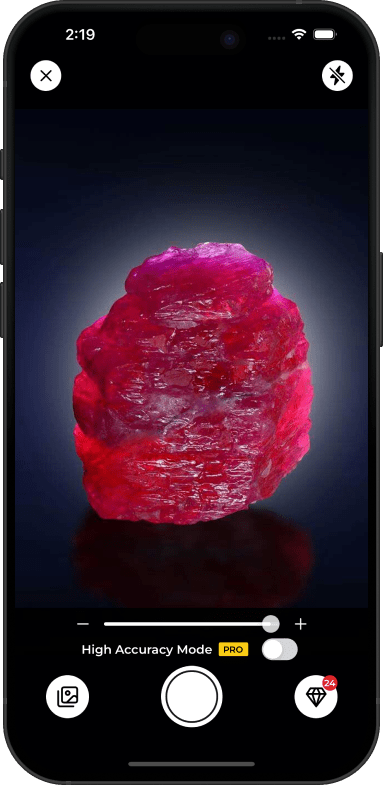
Download Ruby Glint for unlimited value checks, saved reports, and deeper stone analysis tools.


Ready to Estimate Your Sapphire's Value?
Scroll up and enter your sapphire's details to get an instant price estimate.