Estimated range
Ruby
Corundum
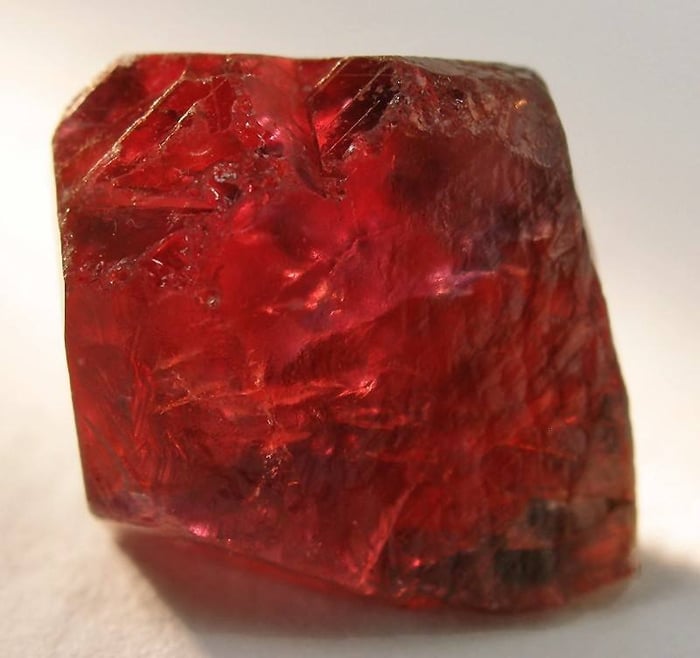
$120-$6,000/ct
Use this gemstone appraisal by photo tool to estimate value in seconds after upload.
Last updated:
Estimate pricing for rough and cut gemstones, including ruby, sapphire, emerald, diamond, opal, topaz, and more. Use this as a market guide before deciding whether to seek a formal appraisal.
From photo upload to price range in 4 quick steps
STEP 01
Take a clear close-up in natural light. JPG, PNG, and WebP are supported up to 6MB.
STEP 02
We detect likely gemstone matches and you pick the best option before pricing.
STEP 03
Add details like cut or rough form, size or carat, color quality, and treatment status.
STEP 04
Receive an instant market value range and key factors that affect your stone's pricing.
Key pricing signals used in gemstone valuation
Rich, even color usually raises value. Top shades in ruby, sapphire, and emerald command premiums.
Cleaner stones are often more valuable, but some inclusions are expected in gems like emerald.
Price can increase sharply with size when quality is also strong, especially in fine colored stones.
For cut gems, symmetry and brilliance matter. For rough, crystal habit and specimen aesthetics matter.
Untreated stones and premium origins can raise value. Common treatments often reduce market pricing.
Approximate market ranges shown for quick comparison
Ruby
Corundum
$120-$6,000/ct
Sapphire
Corundum
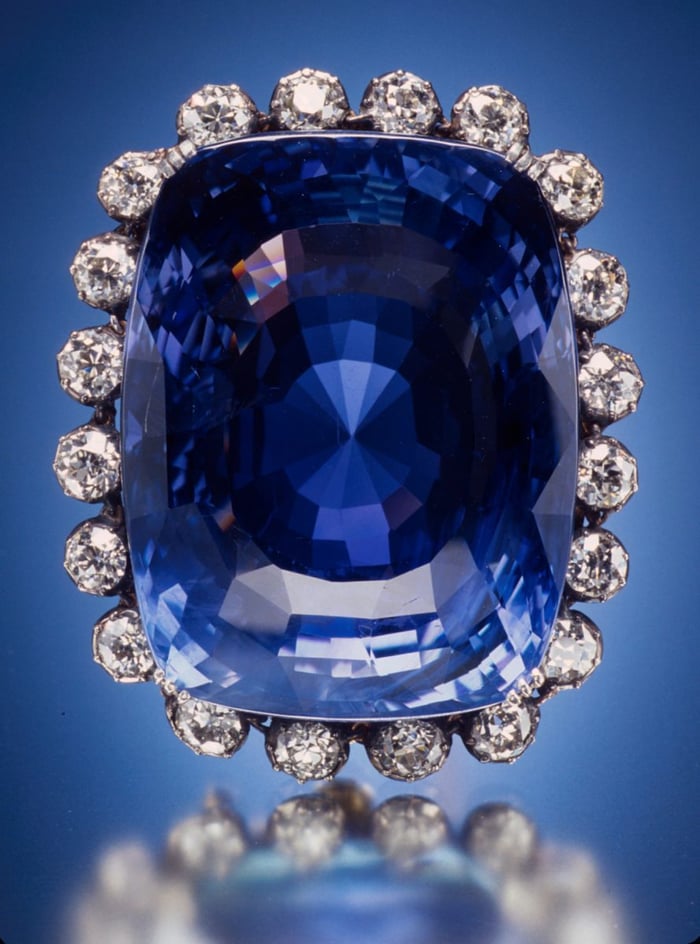
$80-$4,500/ct
Emerald
Beryl
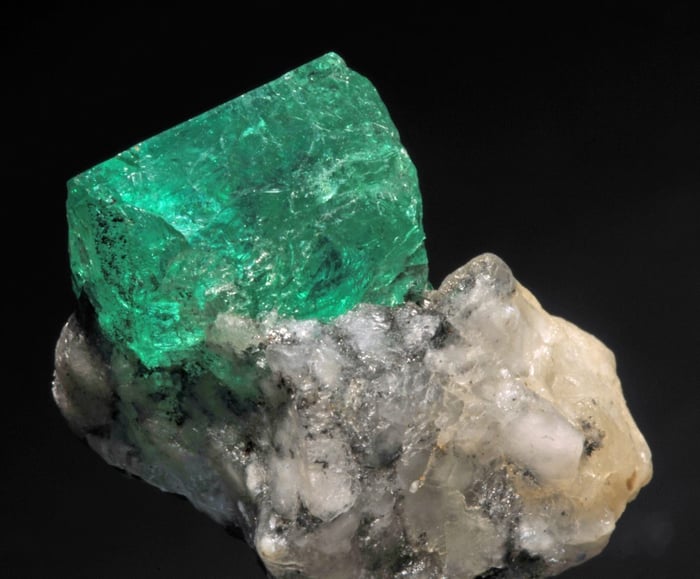
$150-$7,000/ct
Diamond
Native carbon
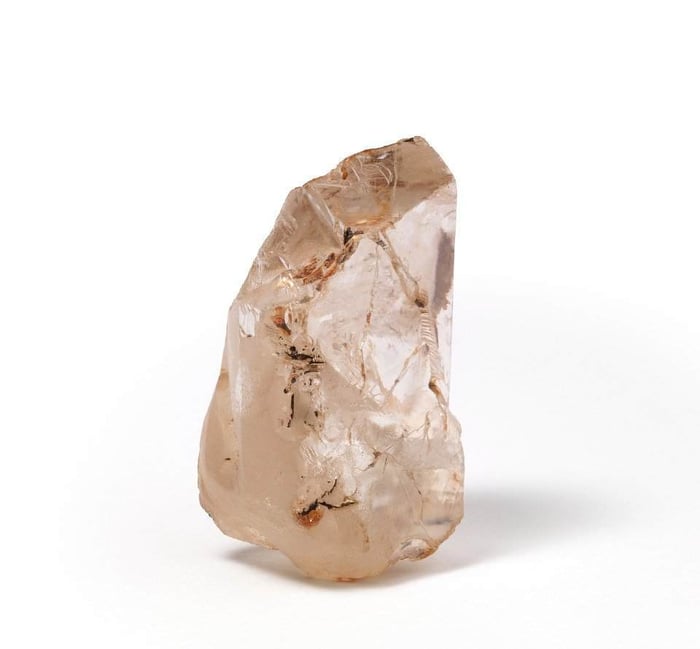
$500-$12,000/ct
Opal
Hydrated silica
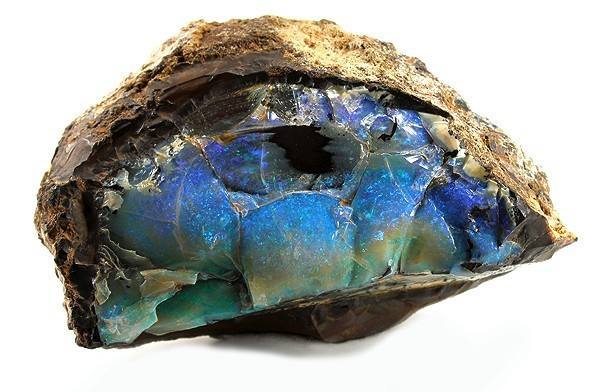
$25-$3,000/ct
Topaz
Silicate
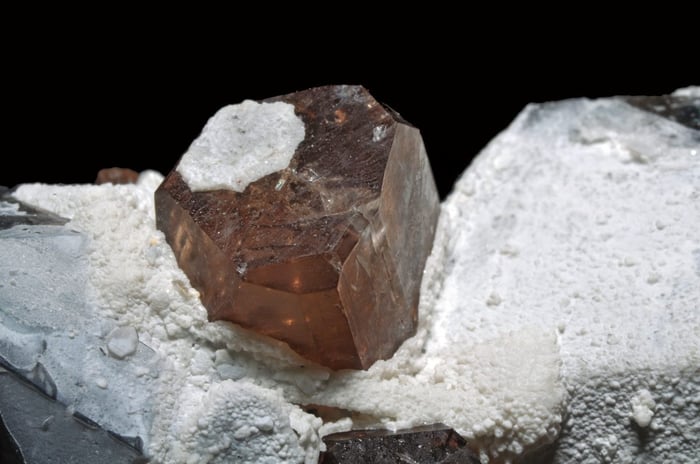
$20-$1,500/ct
Garnet
Garnet group
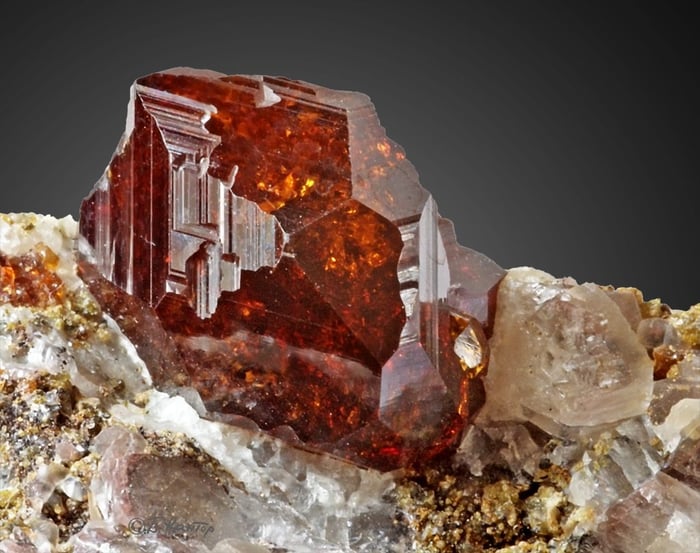
$15-$1,200/ct
Tourmaline
Borosilicate
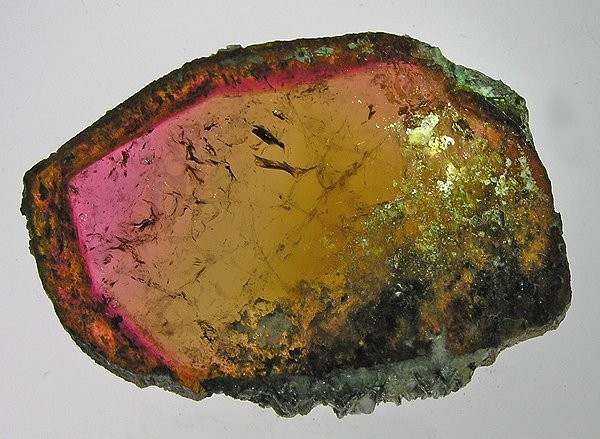
$30-$2,500/ct
Value ranges are rough estimates and can vary by quality grading, treatment, origin, and active market demand.
Better photos produce tighter and more reliable value ranges
Use bright natural light
Natural light keeps color and transparency closer to reality for better valuation.
Capture multiple angles
Include top and side views to show shape, facet quality, and luster behavior.
Use neutral background
White or gray backgrounds reduce color cast and make clarity easier to evaluate.
Avoid flash
Flash can hide inclusions and wash out subtle color zoning.
Avoid blur
Blurry photos reduce confidence and can cause lower quality matches.
Avoid heavy filters
Edited color and contrast can distort the value signal in your image.
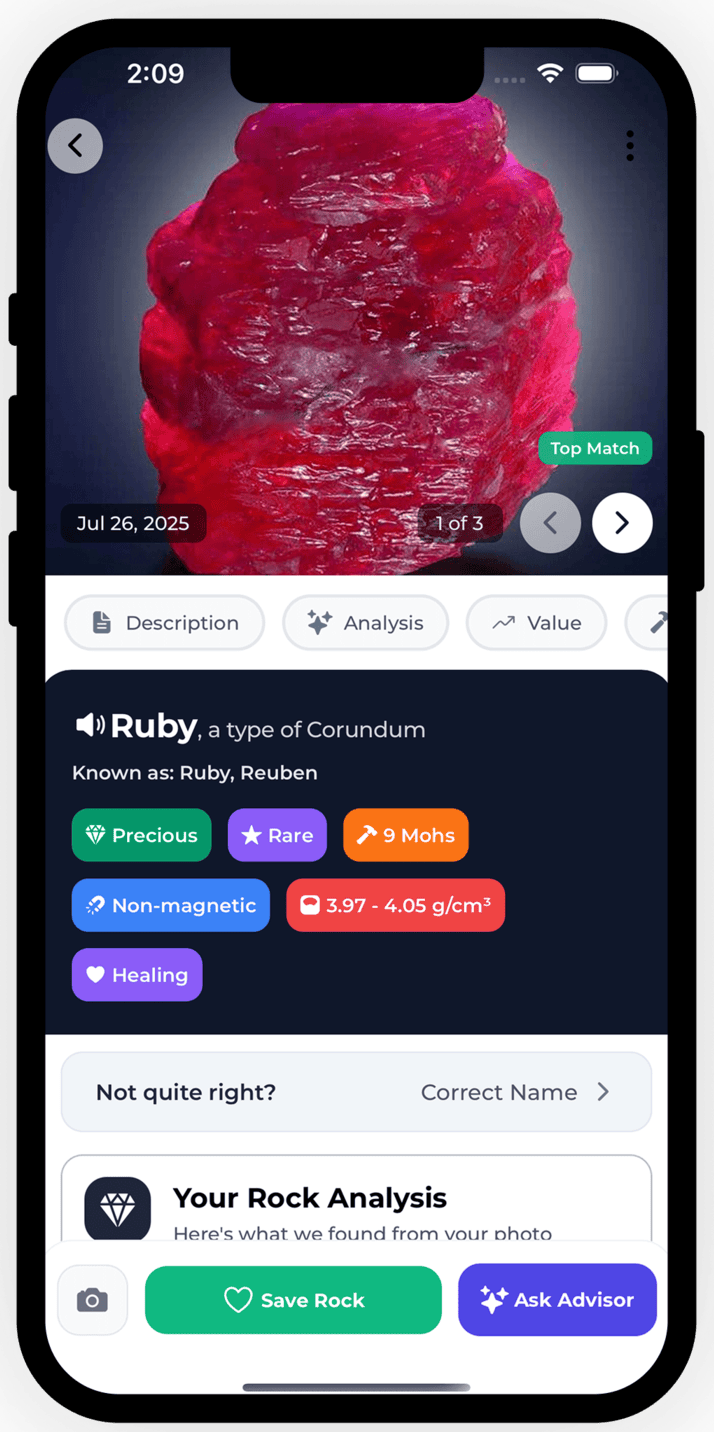
Use this page for fast online guidance. Use certified appraisal for insurance, legal documentation, or expensive transactions.
Best for this tool: quick screening, resale planning, and deciding if your stone needs formal grading.
Use a pro when: estimated value is high, buyer requires documents, or you need insurance-grade reporting.
Suggested next step: save your results in the app and compare updated estimates as market conditions change.
Best in the Ruby Glint app
Download Ruby Glint for unlimited value checks, saved reports, and deeper stone analysis tools.
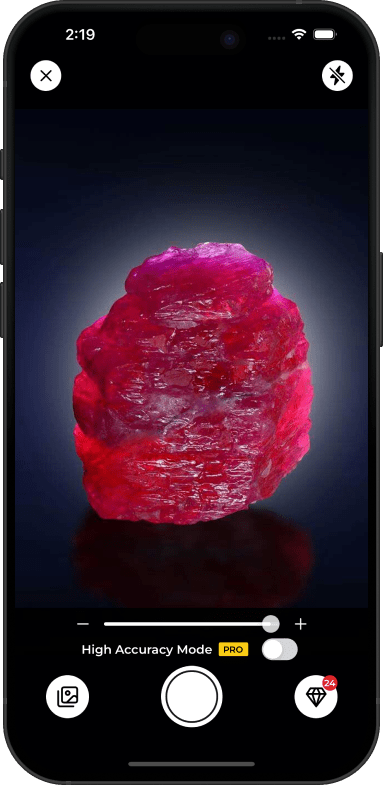
Get answers to common questions about rock identification, rockhounding, and using our platform.
Yes. You can upload a photo and get a gemstone value estimate in your browser for free.
Value depends on stone type, color, clarity, size, cut or crystal quality, treatments, and origin. This tool gives a realistic range based on your photo and answers.
No. This is an automated online estimate for educational use. For insurance, legal, or high-value sales, use a certified gemologist or appraiser.
Yes. The flow supports rough crystals and cut stones, then asks the right follow-up questions for each form.
Ruby, sapphire, emerald, diamond, opal, topaz, garnet, tourmaline, and many other gemstones and minerals are supported.
Gem markets vary by quality grading, buyer type, treatments, and sales channel. A range is usually more realistic than a single fixed price.
Use clear natural-light photos, include multiple angles, and answer quality questions carefully, especially carat, clarity, and treatment.
Scroll up and start your free gemstone appraisal now.

