Glaucodot
A variety of Arsenopyrite Group
What is Glaucodot?
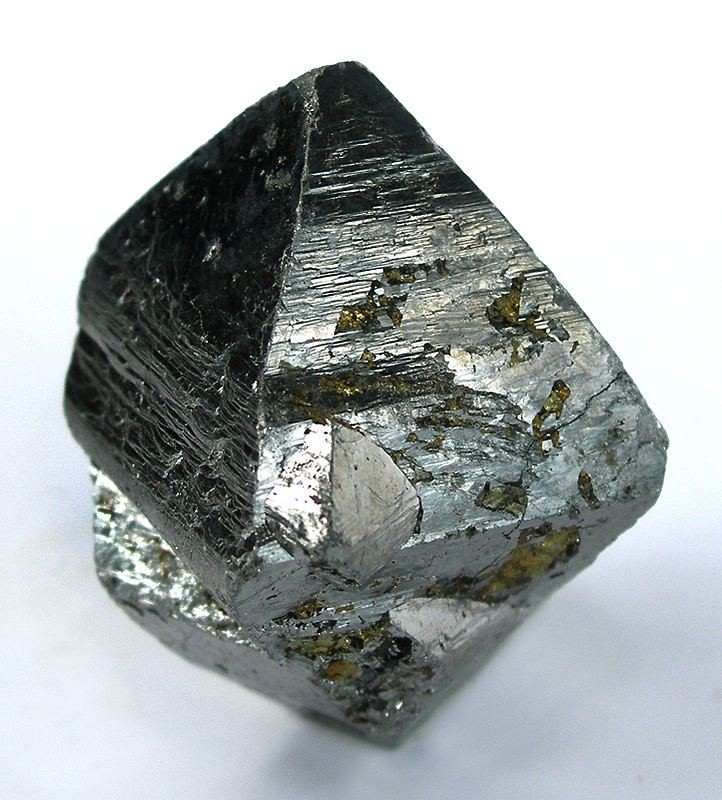
Glaucodot is a metallic mineral characterized by its opaque appearance and grayish tin-white color. It is found in hydrothermal deposits, often together with other minerals such as Pyrrhotite and Chalcopyrite. It was once used for making an ornamental, deep-blue cobalt glass called "smalt".
Etymology & Origins
Glaucodot was first described in 1849 in Huasco, Valparaíso Province, Chile. Its name originates from the Greek Ancient Greek: γλανκός ("blue") in reference to its use in the dark blue glass called smalt.
Uses & Applications
For a long time, glaucodot was the crucial ingredient in the historical manufacture of a blue glass called "smalt." This product is no longer in modern use, as it tends to lose its color over time. There are no current uses for glaucodot.
Market Value Factors
Pricing varies for every rock and mineral, so use these universal factors to gauge Glaucodot before comparing listings or appraisals.
Size & Weight
Larger, intact specimens usually command higher prices.
Rarity & Demand
Scarce material or popular varieties sell at a premium.
Condition & Finish
Chips, repairs, and heavy wear lower value; clean prep helps.
Treatment & Provenance
Untreated specimens with documented locality are prized.
Health & Safety Information
- ⚠️Glaucodot dust is toxic because it contains heavy metals Arsenic, Cobalt.
- ⚠️Arsenic, Cobalt
- ⚠️It's advisable to handle glaucodot carefully to avoid generating dust and wash hands thoroughly afterward. When cutting or polishing glaucodot, wear a dust mask to prevent inhaling heavy metal particles. Store glaucodot in a sealed container in a well-ventilated area, away from children and pets. For those involved in crystal healing, never put it in your mouth.
More Images

Quick Facts
Physical Properties
- Color
- Grayish tin-white to reddish silver-white
- Hardness (Mohs)
- 5
- Rock tumbling
- With care
- Density
- 6.155 g/cm³
- Streak
- Black
- Luster
- Metallic
- Crystal System
- Orthorhombic
Chemical Properties
- Chemical Formula
- (Co0.50Fe0.50)AsS
- Elements
- As, Co, Fe, S
Also Known As
Identify Glaucodot Instantly
- Snap a photo, get instant results
- 6,700+ rocks, minerals & crystals
- Discover collecting spots near you
Glaucodot FAQs
How do I identify Glaucodot?
Glaucodot can be identified by its hardness of 5 on the Mohs scale, Grayish tin-white to reddish silver-white color, Metallic luster, Orthorhombic crystal system. Look for these key characteristics when examining specimens.
What color is Glaucodot?
Glaucodot typically appears in Grayish tin-white to reddish silver-white. Color can vary depending on impurities and formation conditions.
How hard is Glaucodot?
Glaucodot has a hardness of 5 on the Mohs scale. This gives it moderate hardness.
