Sapphire
A variety of Corundum
What is Sapphire?
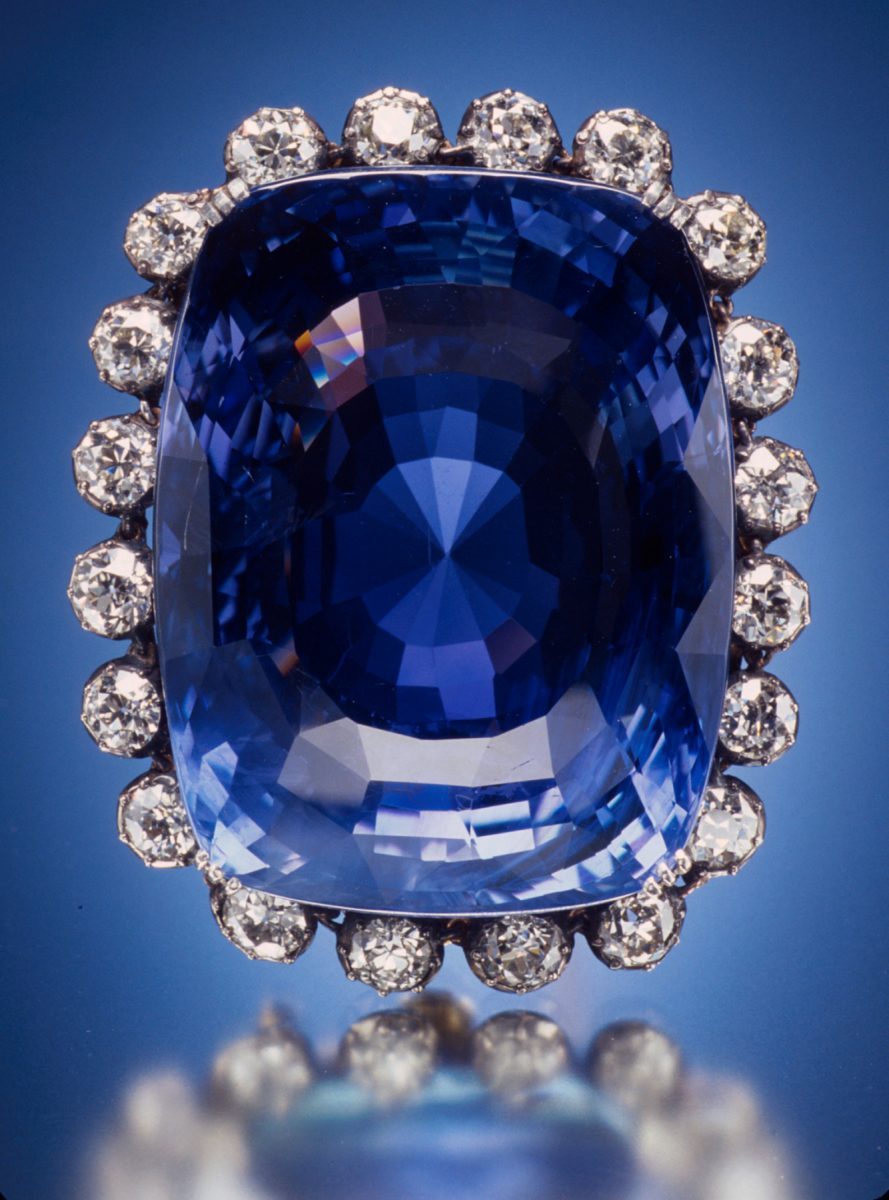
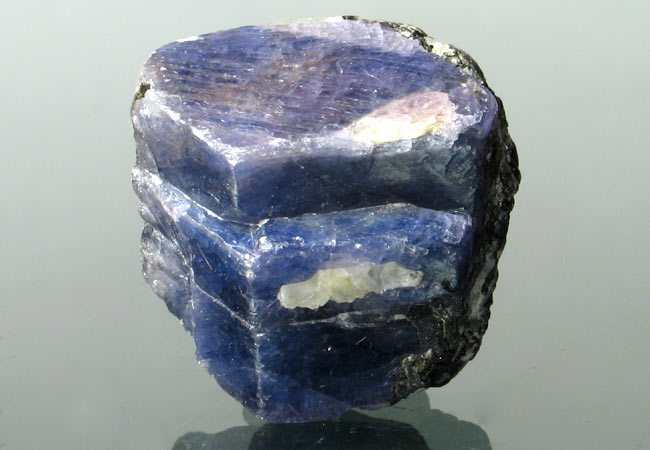
Sapphire is a well-known and highly valuable precious stone that's usually blue in color, although it can be colorless or yellow as well. A favorite stone of royalty, the most famous sapphire is the engagement ring given by England’s Prince Charles to Lady Diana Spencer in 1981. The birthstone of September, sapphire is used in jewelry and decoration, primarily for its attractive color and exceptional hardness.
Uses & Applications
Sapphire is one of the world's most valuable and popular gemstones, celebrated for the hardness and clarity that allows it to be cut into beautiful faceted gemstones. Sapphire is also used in the manufacture of precision analog timepieces, and is incorporated into thin wafers for electronics and in some scientific instruments.
Healing Properties
The chakra connection depends on sapphire's color - blue connects with the throat chakra, black with the base, green and pink with the heart, indigo with the third eye, white with the crown, and yellow with the solar plexus. Sapphire is said to relieve psychological tension and banish unhealthy thought processes. It's also thought to bring harmony throughout the body.
Optical Properties
- Refractive Index
- 1.762-1.788
- Birefringence
- 0.008-0.009
- Pleochroism
- Pink sapphires - strong: pink, pinkish-red
- Orange/brown stones - distinct: brownish-orange, orangy to colorless
- Yellow sapphires - weak: light yellow, yellow-orangy
- Violet/purple sapphires - distinct: bluish-purple, yellow-brown/orange
- Blue sapphires - strong: dark violetish blue, greenish-blue
- Green sapphires - distinct: yellow-green, green to blue-green
- Optical Character
- Uniaxial negative
- Dispersion
- 0.018
Discover Values
This stone excels in rarity, popularity, beauty, collection value.
Market Value Factors
Pricing varies for every rock and mineral, so use these universal factors to gauge Sapphire before comparing listings or appraisals.
Size & Weight
Larger, intact specimens usually command higher prices.
Rarity & Demand
Scarce material or popular varieties sell at a premium.
Condition & Finish
Chips, repairs, and heavy wear lower value; clean prep helps.
Treatment & Provenance
Untreated specimens with documented locality are prized.
Where to Find Sapphire
RockHoundR, the free-to-download rockhounding map from the Ruby Glint team, shows where collectors find sapphire in the US, with land-access notes for BLM land and national forests. Collecting is banned in national parks.
See where to find sapphireAlways check the local rules and get the landowner's permission before you collect.
Associated Chakras
More Images
Quick Facts
Physical Properties
- Color
- Blue, colorless, pink, orange, yellow, green, purple, grey, black
- Hardness (Mohs)
- 9
- Rock tumbling
- Not recommended
- Density
- 3.95 - 4.03 g/cm³
- Streak
- Colorless
- Luster
- Pearly, Vitreous, Adamantine
- Crystal System
- Trigonal
Chemical Properties
- Chemical Formula
- Al2O3
- Elements
- Al, O
Also Known As
Identify Sapphire Instantly
- Snap a photo, get instant results
- 6,700+ rocks, minerals & crystals
- Discover collecting spots near you
Sapphire FAQs
How do I identify Sapphire?
Sapphire can be identified by its hardness of 9 on the Mohs scale, Blue color, Pearly, Vitreous, Adamantine luster, Trigonal crystal system. Look for these key characteristics when examining specimens.
What color is Sapphire?
Sapphire typically appears in Blue, colorless, pink, orange, yellow, green, purple, grey, black. Color can vary depending on impurities and formation conditions.
How hard is Sapphire?
Sapphire has a hardness of 9 on the Mohs scale. This makes it a relatively hard mineral suitable for jewelry.
