
Gem guides
How to read a gem lab report
A report from a recognized lab is what turns a claim of 'no heat', 'Burma' or 'pigeon's blood' into something a buyer will pay for. Here is what a colored-stone report says, and how the major labs differ.
Updated
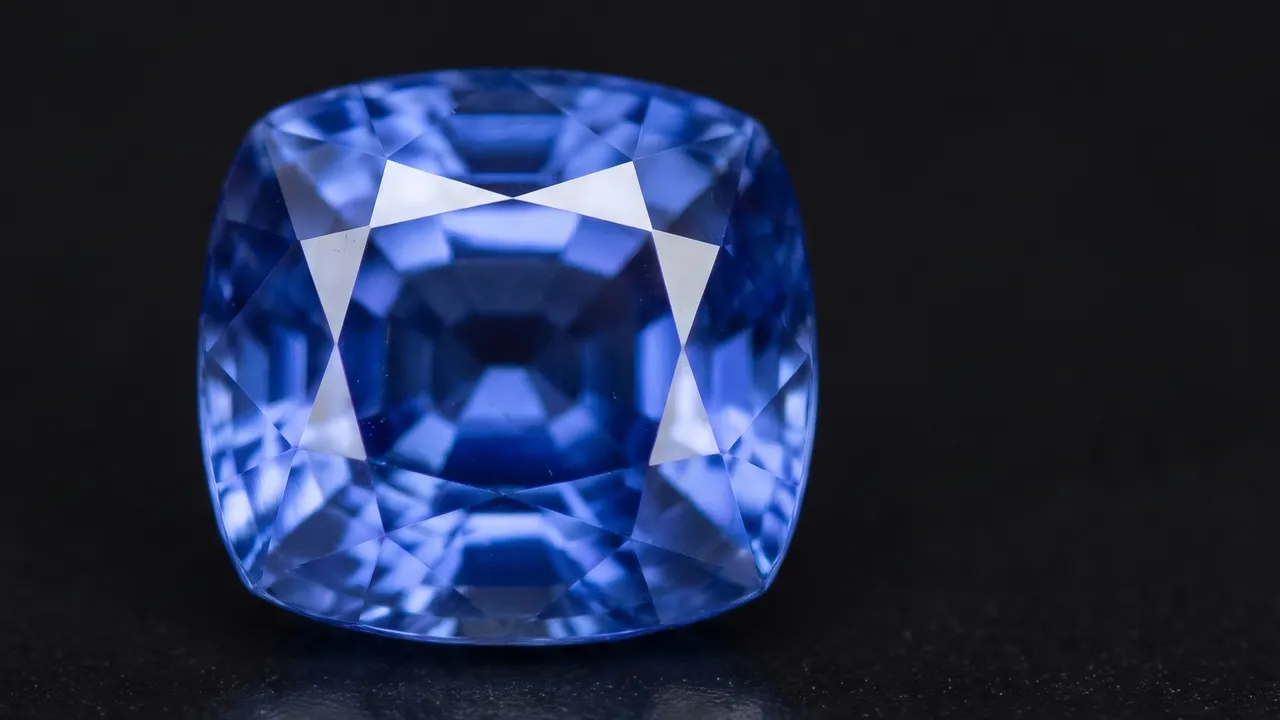
Colored stone report
- Identification
- Natural corundum
- Variety
- Sapphire
- Treatment
- No indications of heating
- Origin
- Laboratory opinion
- Weight
- 2.04 ct
What a colored-stone report covers
Gemmological report
Colored stone identification
Report no.
0000 0000
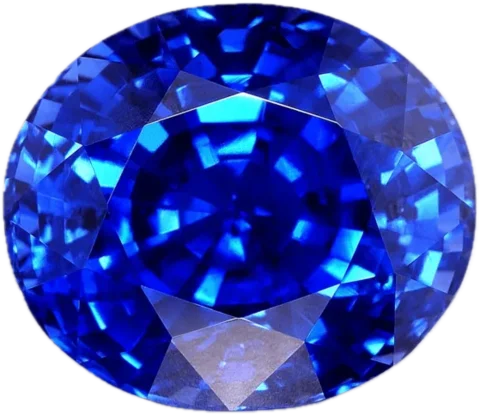
Photo for identification
- Identification
- Natural corundum
- Variety
- Sapphire
- Treatment
- No indications of heating
- Origin
- Opinion of the laboratory
- Color term
- Only if the lab uses one
- Weight
- 2.04 ct
- Measurements
- 7.92 × 6.61 × 4.30 mm
- Shape and cut
- Cushion, modified brilliant
Example layout. Every lab's report looks different.
- 1
Identification
The species and variety (corundum, variety ruby) and whether it is natural or synthetic. This is the part every report has.
- 2
Treatment
Whether the lab found indications of heating, residues, filling, diffusion or oil, and how much. 'No indications of heating' is the phrase behind no-heat prices.
- 3
Origin
The lab's opinion of the geographic source, based on inclusions and trace elements. It is an opinion, usually an extra service, and two labs can disagree.
- 4
Color term
Some labs add a trade term such as pigeon's blood or royal blue. Each lab sets its own criteria, so the term means only what that lab says it means.
- 5
Weight, measurements and photo
These tie the report to one stone. Check them against the stone in front of you.
Pigeon's blood and royal blue: whose definition?
These are trade terms with no international standard. Each lab decides what qualifies, so the same stone can earn the term at one lab and not at another.
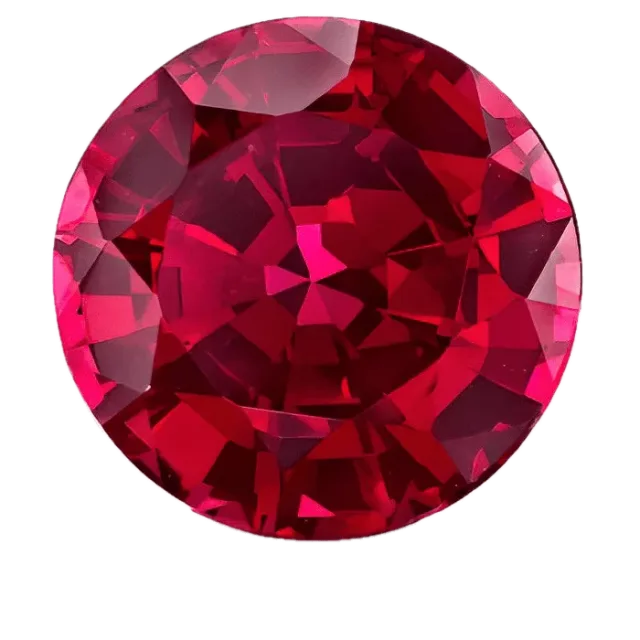
Pigeon's blood
The top of the ruby color range
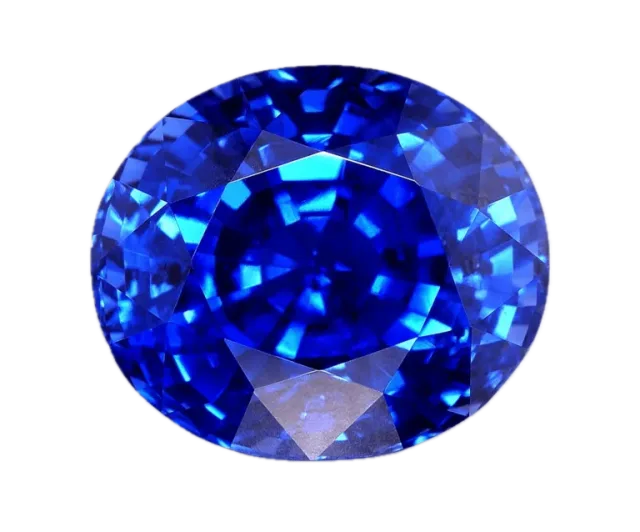
Royal blue
The top of the sapphire color range
SSEF · Gübelin
On reportUnheated only- SSEF (Basel) and Gübelin (Lucerne)
- Pigeon blood red and royal blue, under one standard the two labs agreed.
- Heated stones
- No. Only stones with no indications of treatment qualify.
- Notes
- SSEF publishes the criteria: a vivid, strongly saturated and even color, with at most a slight purplish tint. Pigeon blood red also needs strong red fluorescence.
GRS
GRS-typeMinor residue max- GRS (GemResearch Swisslab)
- Trademarked 'GRS-type' pigeon's blood and royal blue, with sub-grades from intense to vivid up to vivid to deep.
- Heated stones
- Yes, heated stones with no more than minor residues. Lead-glass filled, beryllium and other diffusion-treated stones do not.
- Notes
- A ruby that looks the part without strong fluorescence gets an explanatory note instead of the term.
GIA
Strict criteriaNot if diffused- GIA
- Pigeon's blood and royal blue, for stones that meet strict requirements.
- Heated stones
- Natural stones that have not been diffusion treated.
- Notes
- Otherwise GIA describes color by hue, tone and saturation.
AGL
Appendix letter?Not published- AGL (New York)
- Not on the main report. Pigeon blood, royal blue and cornflower blue may appear in a separate appendix letter.
- Heated stones
- Criteria not published.
- Notes
- The appendix letter is at the lab's discretion and can discuss rarity and mine.
Lotus
Color type?Not published- Lotus Gemology (Bangkok)
- Color types on the report, including pigeon's blood, royal red, royal blue and cornflower.
- Heated stones
- Criteria not published.
- Notes
- Each type covers a range of colors, graded on five-step saturation and tone scales.
How Ruby Glint uses these terms
On this site, pigeon's blood and royal blue describe the top of a color range, not a lab grade. A stone sold under either term should come with a report that names the lab, because the term means only what that lab says it means. Summarized from each lab's published policy; check the lab's current criteria before you buy.Gem lab report questions
Which gem lab should I use?
Use a lab that buyers in your market trust for that gem. For colored stones the trade relies most on GIA, SSEF, Gübelin, GRS, AGL and Lotus. A report from a lab buyers don't know adds little value, however good it looks.
Can a heated ruby be called pigeon's blood?
It depends on the lab. GRS can give its GRS-type pigeon's blood to heated rubies with no more than minor residues. SSEF and Gübelin give pigeon blood red only to rubies with no indications of treatment.
Does GIA use pigeon's blood and royal blue?
Yes, for stones that meet strict requirements: they must be natural and not diffusion treated. Otherwise GIA describes color by hue, tone and saturation.
Is the origin on a report guaranteed?
No. Origin is the lab's opinion, based on inclusions and trace-element chemistry. It is usually reliable for well-known sources, but two respected labs can reach different conclusions on the same stone.
Before you rely on a report
- Look the report number up on the lab's website. Most major labs offer an online check.
- Match the weight, measurements and shape to the stone. A report describes one stone, not a parcel.
- Check the date. Treatments such as beryllium diffusion went undetected on older reports, so retesting a stone bought on an old report can be worth it.
- Read origin as an opinion. Two respected labs can name different origins for the same stone.
- A report from an unknown lab carries little weight with buyers. The labs above are the ones the trade prices on.
What the treatment wording means for value is in gem treatments and AGTA codes, and how a report changes a price is in how we price gems.