Gem guides
Gem treatments and AGTA codes
Most gems sold today have been treated in some way. What matters is which treatment, how much, and whether it was disclosed. Drag across the stone to see what each treatment does, then the code that discloses it and what it does to a stone's value.
Updated
The 12 AGTA disclosure codes
The American Gem Trade Association's Gemstone Information Manual gives each treatment a letter, used on invoices and labels in the trade. Labs describe treatments in words on their reports.
- 01N
Not enhanced
No known treatment.
- 02H
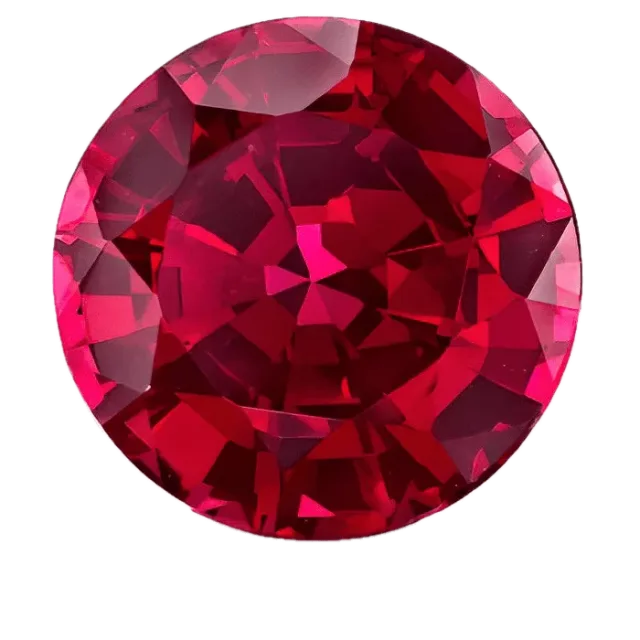
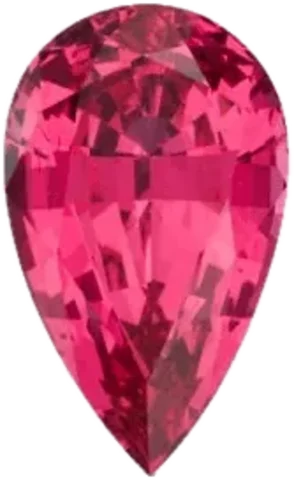
Heating
Heat alone to change or improve color or clarity.
- 03U
Diffusion
Heat with added chemicals (such as beryllium or titanium) that enter the stone and change its color.
- 04F
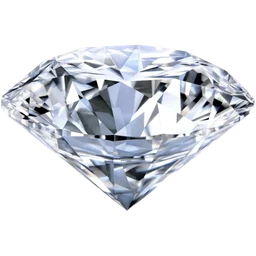
Filling
Glass, resin or another solid fills surface-reaching cavities or fractures.
- 05O
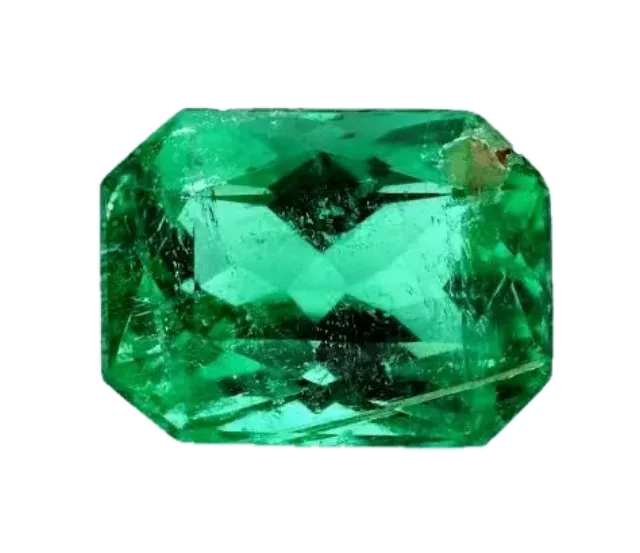
Oiling or resin infusion
Colorless oil or resin in surface-reaching fissures, as in emerald.
- 06I
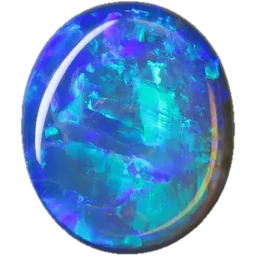
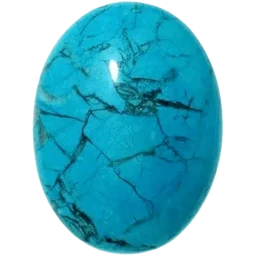
Impregnation
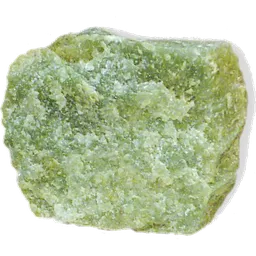
A porous stone is soaked with polymer, wax or resin to make it stable, as in turquoise and jade.
- 07D
Dyeing
Color added with a dye or stain.
- 08B
Bleaching
Chemicals or light remove or lighten color, as in 'B jade'.
- 09C
Coating
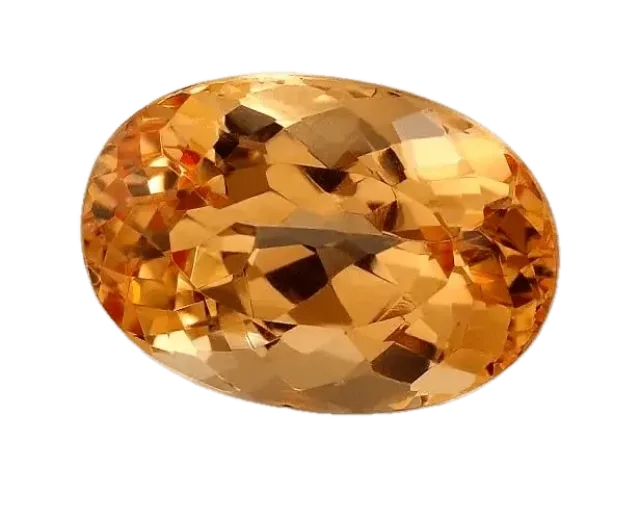
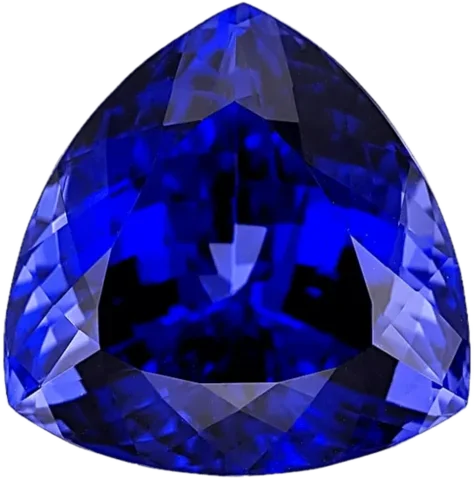
A surface film or backing adds or changes color.
- 10R
Irradiation
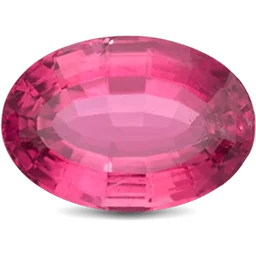
Radiation, often followed by heat, changes color, as in blue topaz.
- 11L
Lasering
A laser drills to an inclusion, which is then bleached, as in some diamonds.
- 12W
Waxing or oiling
Surface wax or oil improves luster, as on jadeite and turquoise.
From accepted to deal-breaker
The treatments that change value most, in order. Open one for what it does and what it costs a stone.
- Accepted
Heating H
Needs a lab to confirm
The oldest and most common treatment. Most ruby, sapphire, tanzanite and aquamarine on the market has been heated. It is stable and accepted, and the trade prices heated stones as the normal case.
Untreated stones with a lab report sell for several times a heated stone of the same look.
- Accepted
Irradiation R
Needs a lab to confirm
Nearly all blue topaz is colorless topaz that has been irradiated and heated. Pink and red tourmaline and some diamonds are also irradiated.
Priced as an ordinary treated gem; untreated natural color of the same hue is far rarer.
- By amount
Emerald oiling O
Often visible with a loupe
Almost every emerald has fissures filled with oil or resin. Labs grade the amount, typically as none, insignificant or faint, minor, moderate, or significant; the exact words vary by lab.
No oil and insignificant oil carry large premiums; moderate and significant sell well below.
- Discount
Heating with residue H
Needs a lab to confirm
Ruby heated with a flux leaves glassy residue in healed fractures. Labs report the amount, usually from minor to significant.
Minor residue sells a little below clean heated stones; significant residue far below.
- Fraction of natural
Beryllium diffusion U
Needs a lab to confirm
Beryllium carried into sapphire or ruby at very high temperature creates or shifts color, often to orange, yellow or a padparadscha-like pink-orange. Only lab testing, such as LA-ICP-MS or LIBS, can detect it.
Sells for a small fraction of a natural-color stone.
- Fraction of natural
Resin and bleaching I
Needs a lab to confirm
Turquoise is stabilized with resin, and 'B jade' is bleached and filled with polymer. Both can look excellent at first and are only proven by testing.
Stabilized turquoise and B jade sell for a fraction of natural, untreated material.
- Dollars per carat
Lead-glass filling F
Often visible with a loupe
Low-grade, heavily fractured corundum is filled with lead glass, sometimes a large part of the stone by volume. Look for blue or orange flashes in fractures and flattened gas bubbles. These are composites, and the glass can be damaged by heat, acids and even lemon juice.
A few dollars per carat, whatever the size.
What treatment does to the price
The same good 1 ct stone, priced per carat for each treatment. These are the figures our price pages and the app use.
Per carat for a good 1 ct stone, any origin, from the Ruby Glint price tables. (report) means with a lab report. Log scale.
Per carat for a good 1 ct stone, any origin, from the Ruby Glint price tables. (report) means with a lab report. Log scale.
Treatments by gem
What to expect for each gem. Open a gem for its full data card.
Diamond
LFRCLaser drilling · Fracture filling · HPHT annealing · Irradiation and heating · Coating
Ruby
HFUHeating · Heating with flux residue · Lead-glass filling · Beryllium diffusion
Sapphire
HUFHeating · Beryllium diffusion · Titanium surface diffusion · Glass filling
Emerald
ODOil or resin filling · Dyeing
Opal
IImpregnation · Smoke and sugar-acid treatment · Assembling
Spinel
HOHeating · Fracture filling
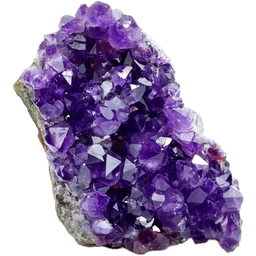
Amethyst
HHeating
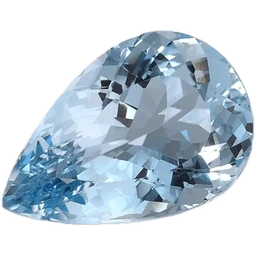
Aquamarine
HHeating
Topaz
RHCIrradiation and heating · Heating · Coating
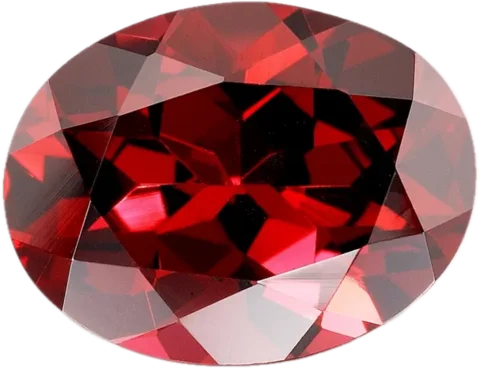
Garnet
NUsually untreated
Tourmaline
HRFHeating · Irradiation · Fracture filling
Jade
WB, IDWaxing · Bleaching and polymer impregnation · Dyeing
Tanzanite
HCHeating · Coating
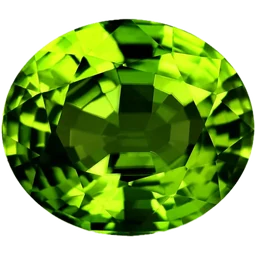
Peridot
NUsually untreated
Morganite
HHeating
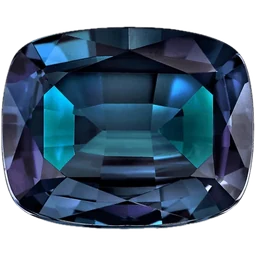
Alexandrite
NUsually untreated
Turquoise
IDWStabilization · Dyeing · Waxing
Gem treatment questions
Are heated rubies and sapphires worth less?
Less than untreated stones of the same look, which need a lab report to prove they are untreated. Heating is accepted and expected, though: a heated ruby of good color is a genuine, valuable gem. On our tables a good 1 ct ruby is $510–$1,700 per carat heated and $2,800–$6,500 with a no-heat report.
What does AGTA code H mean?
H means heating: the stone was heated to change or improve its color or clarity, with nothing added. U means diffusion, where heat carries an added chemical such as beryllium into the stone, and F means filling, such as lead glass in fractures.
Is an oiled emerald a fake?
No. Oiled emerald is natural emerald, and nearly every emerald sold has been oiled or resin filled. What matters is that it is disclosed and how much filler there is, which labs grade from none to significant.
How can I tell if a ruby is glass filled?
Under a loupe and a bright light, look for blue or orange flashes along fractures and flattened gas bubbles inside them. A price far below normal for the size is the other clue. Our real-vs-fake ruby guide shows the checks.
Does a lab report say how a gem was treated?
Yes. A report from a recognized lab states whether it found indications of heating, residues, filling, diffusion or oil, and how much. That statement is what allows a stone to be priced as untreated.
How to protect yourself
- Ask for treatment disclosure in writing on the invoice, using the codes or plain words.
- For any claim of “no heat”, “no oil” or a premium origin, ask for a report from a recognized lab. How to read a lab report.
- Check that the report's number, weight and measurements match the stone in front of you.
- Value a stone on its treated line unless a report proves otherwise. How we price treatment.