Gem prices
Gem prices per carat in 2026
What 17 gemstones cost per carat, from commercial to top quality, and how prices have moved over five years. Open a gem for prices by quality, weight and treatment.
Updated
Prices we track
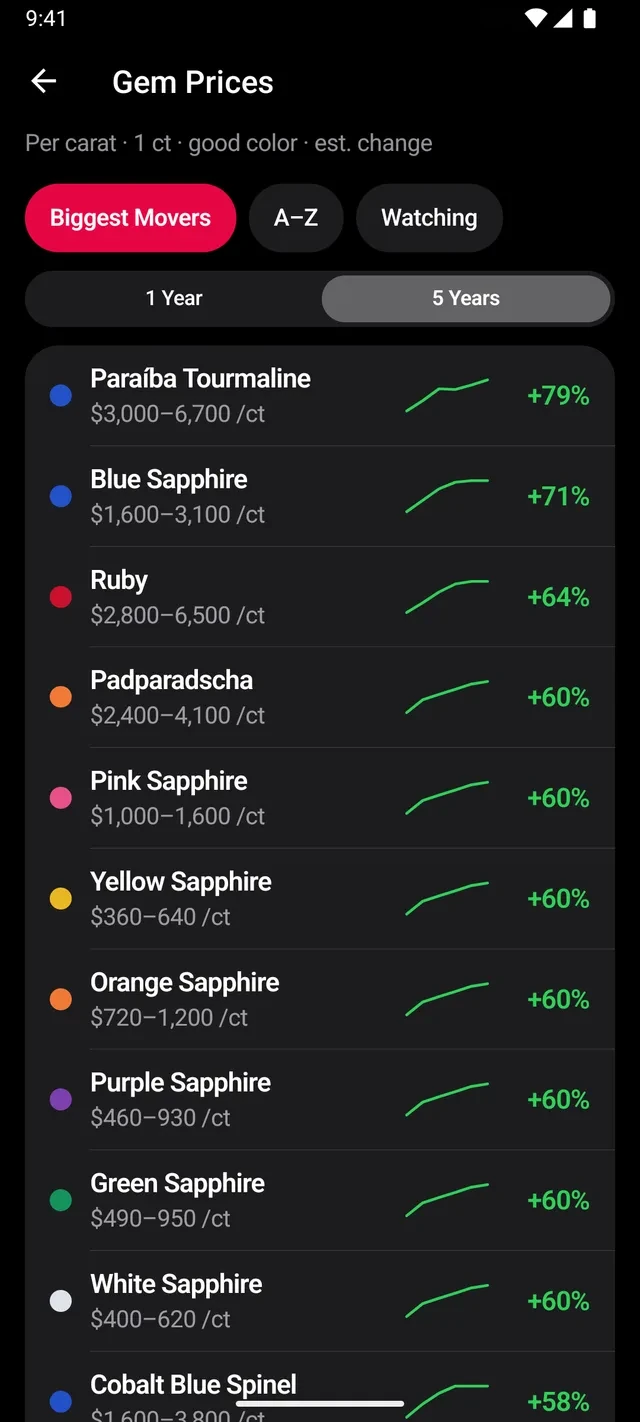
8 gems priced from the Ruby Glint app's tables, each with its estimated five-year trend and a calculator for your own stone.
| Gem | Price per carat | 5-year change | Estimate yours |
|---|---|---|---|
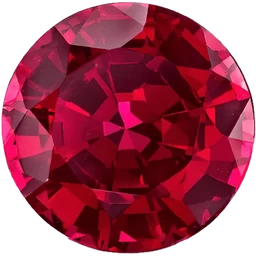 Ruby | $150–$15,000 | +64% | Ruby calculator |
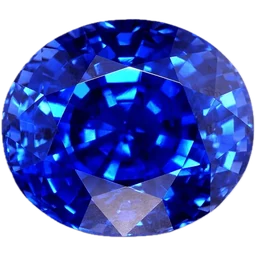 Sapphire | $100–$7,100 | +71% | Sapphire calculator |
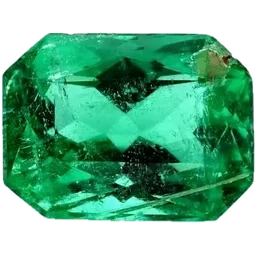 Emerald | $130–$9,200 | +53% | Emerald calculator |
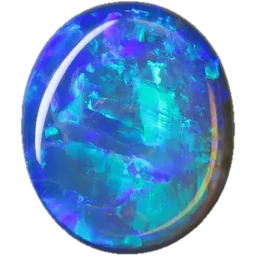 Opal | $17–$8,200 | +37% | Opal calculator |
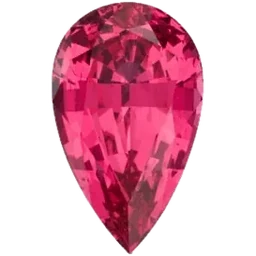 Spinel | $4–$9,200 | +57% | Spinel calculator |
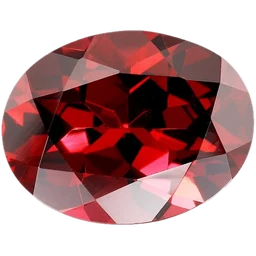 Garnet | $8–$4,000 | +31% | Garnet calculator |
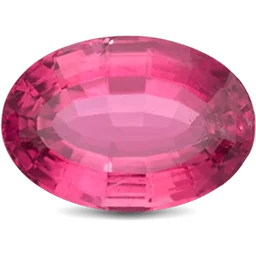 Tourmaline | $2–$15,500 | +79% | Tourmaline calculator |
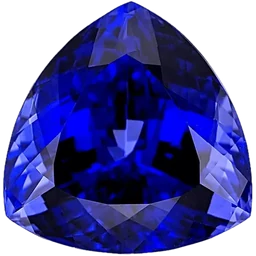 Tanzanite | $140–$600 | +11% | Tanzanite calculator |
Price guides for other gems
Broad retail ranges for gem-quality stones. These gems are not in the app's price tables yet, so they have no trend.
| Gem | Price per carat | Price guide |
|---|---|---|
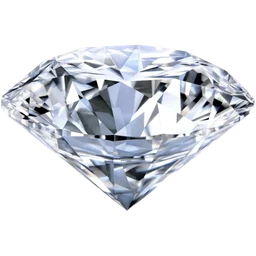 Diamond | $1,500–$25,000+ | Price guide |
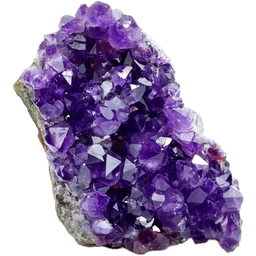 Amethyst | $2–$60 | Price guide |
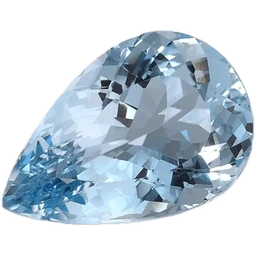 Aquamarine | $20–$900 | Price guide |
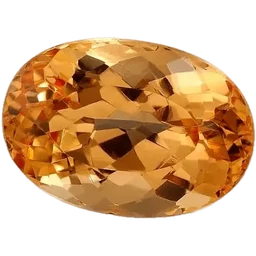 Topaz | $5–$3,500 | Price guide |
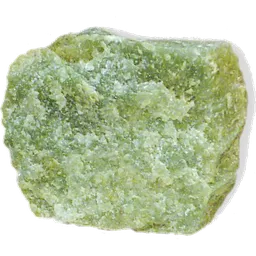 Jade | $10–$30,000+ | Price guide |
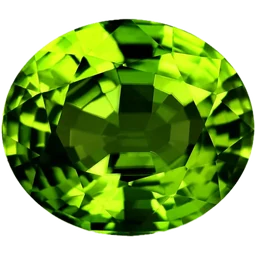 Peridot | $15–$900 | Price guide |
| Morganite | $30–$500 | Price guide |
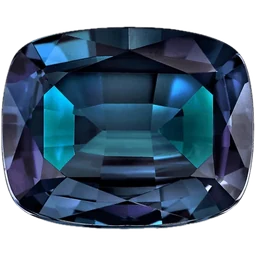 Alexandrite | $1,000–$70,000+ | Price guide |
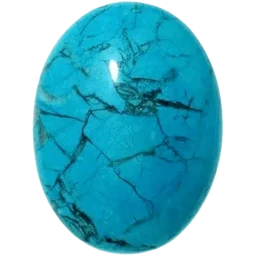 Turquoise | $1–$1,000+ | Price guide |
What moves a gem's price
The same five things explain most of the gap between a $50 stone and a $5,000 one.
Color
For most colored gems, color sets the price more than anything else. Vivid, evenly spread color in a medium tone is worth the most; pale, dark or grayish stones are worth far less.
Carat weight
Price per carat rises with size, because large clean crystals are rare. A 3 ct stone is usually worth much more than three times a 1 ct stone of the same quality.
Treatment
Heating, oiling and filling improve how a gem looks and lower what it is worth. Untreated stones with a lab report carry the highest prices.
Origin
A few sources earn a premium for the same quality, such as Burma for ruby, Kashmir for sapphire and Colombia for emerald.
Clarity and cut
Eye-clean stones cost more, though some gems are expected to have inclusions. A good cut returns light evenly; a poor one hides color and adds dead weight.
Gem guides
Treatments, lab reports, look-alike gems and the words dealers use, so you know what you are paying for.
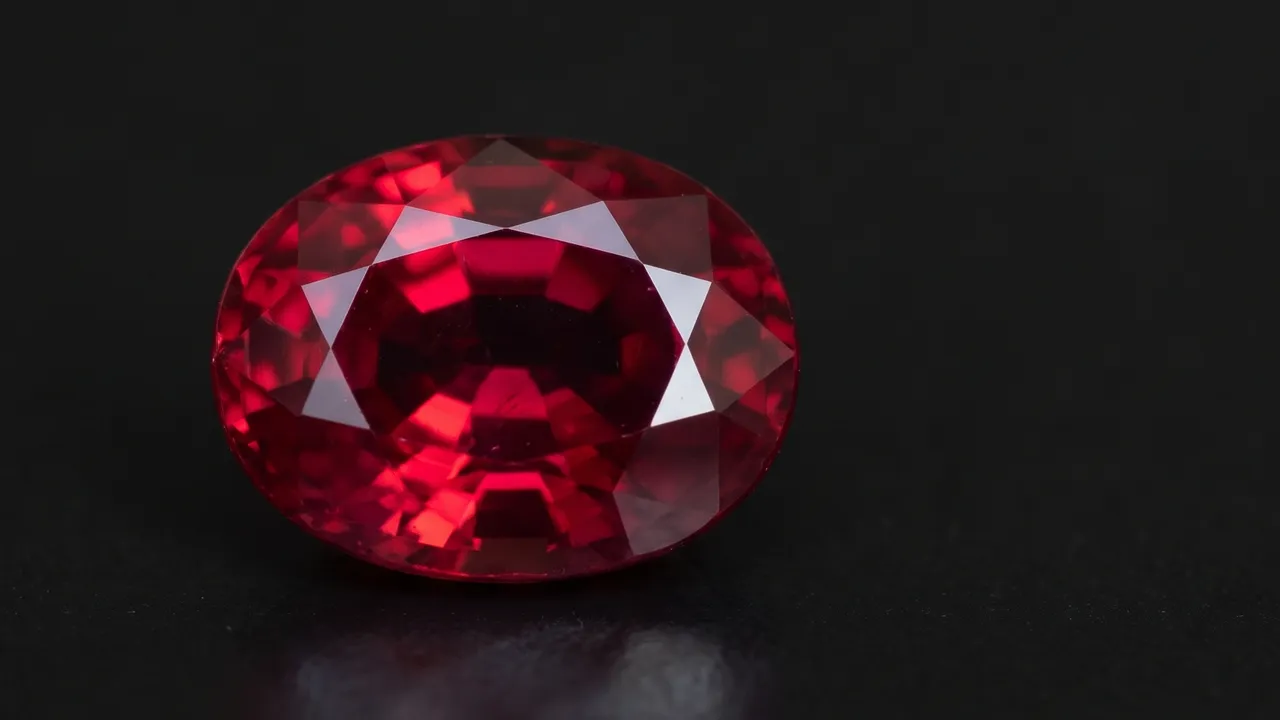
AGTA treatment codes
- HHeating
- UDiffusion
- FFilling
Gem treatments
Heating, diffusion, glass filling and oil, the AGTA codes, and what each does to value.
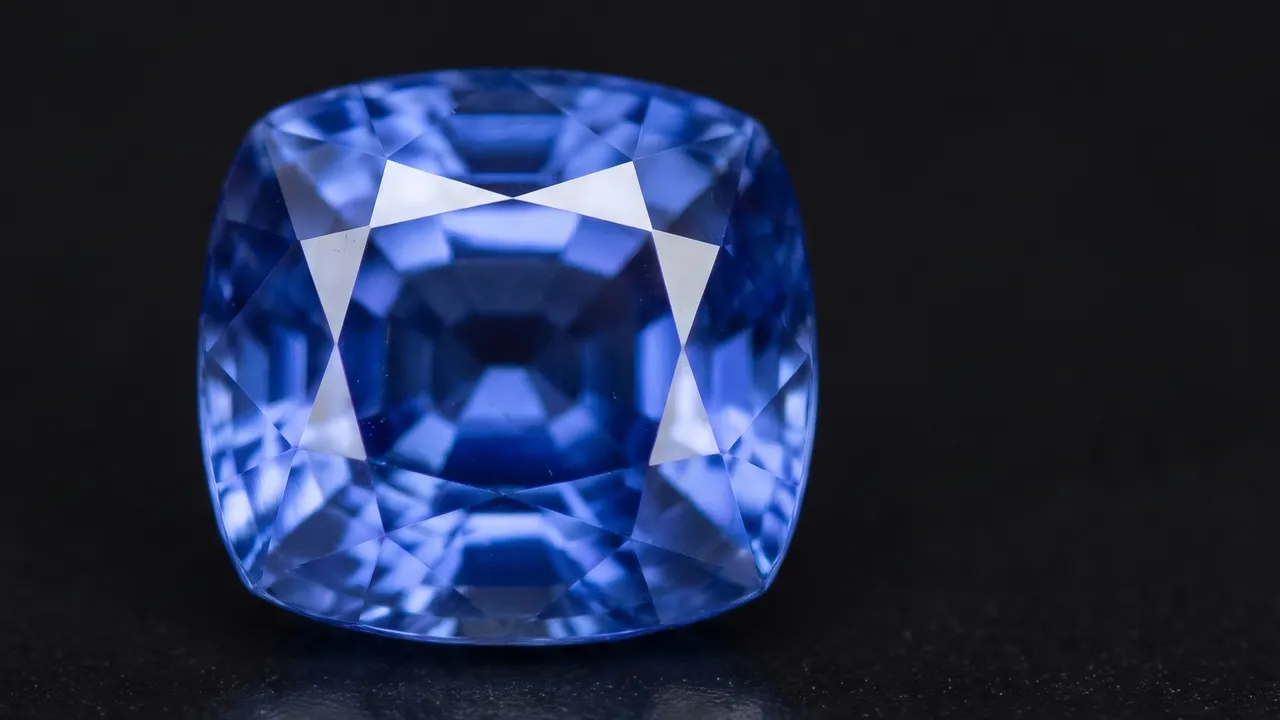
Colored stone report
- Identification
- Natural corundum
- Variety
- Sapphire
- Treatment
- No indications of heating
Reading a lab report
What GIA, SSEF, Gübelin, GRS, AGL and Lotus reports say, and whose pigeon's blood is whose.
Ruby
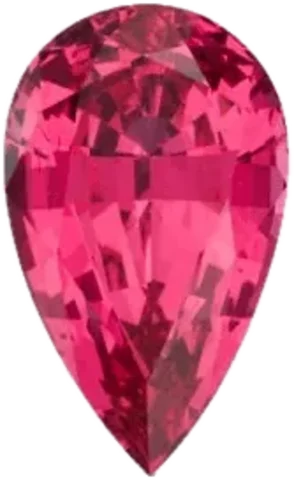
Spinel
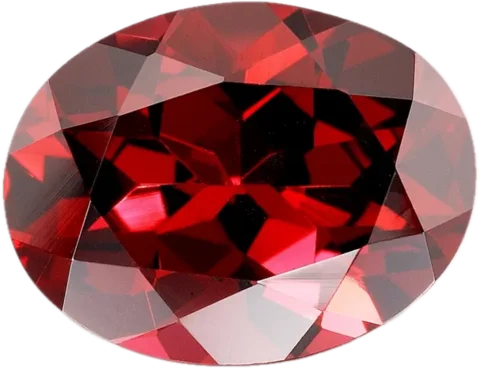
Garnet
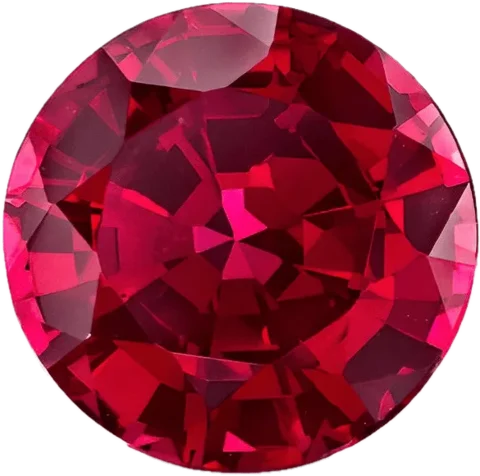
Ruby, red spinel and red garnet side by side Ruby vs spinel vs garnet
Three red gems side by side, and the tests that tell them apart.
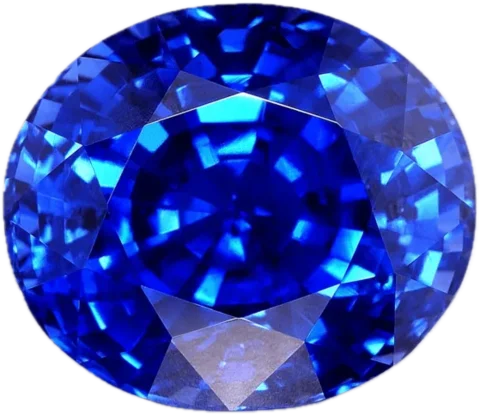
Sapphire
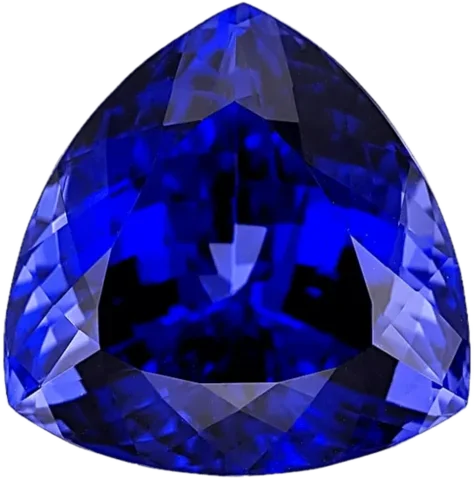
Tanzanite
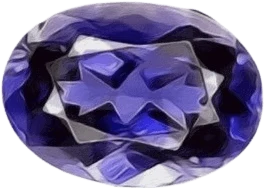
Iolite
Sapphire, tanzanite and iolite side by side Sapphire vs tanzanite vs iolite
Three blue gems at very different prices, and how to separate them.
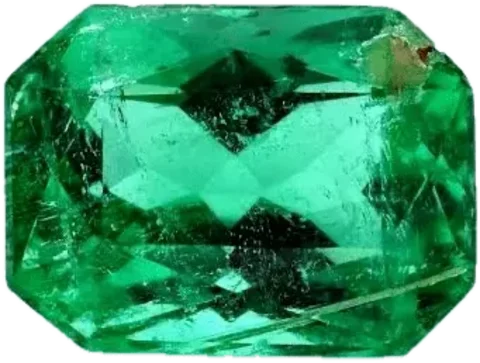
Emerald
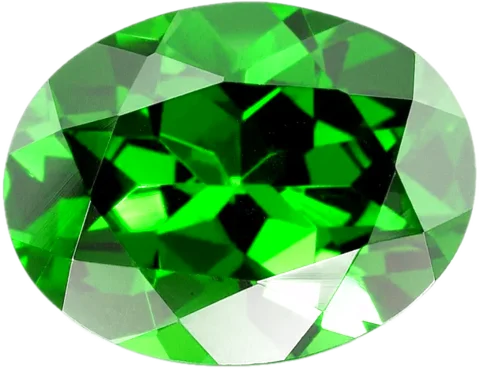
Tsavorite
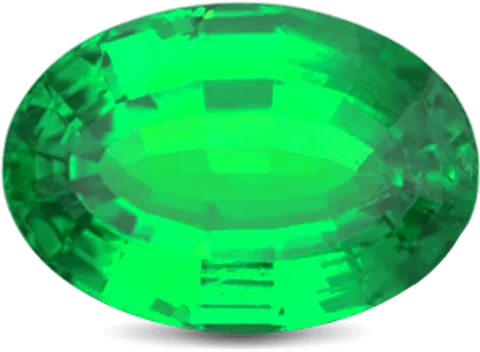
Chrome tourmaline
Emerald, tsavorite and chrome tourmaline side by side Emerald vs tsavorite vs chrome tourmaline
Three chromium greens, and why a Chelsea filter won't separate them.
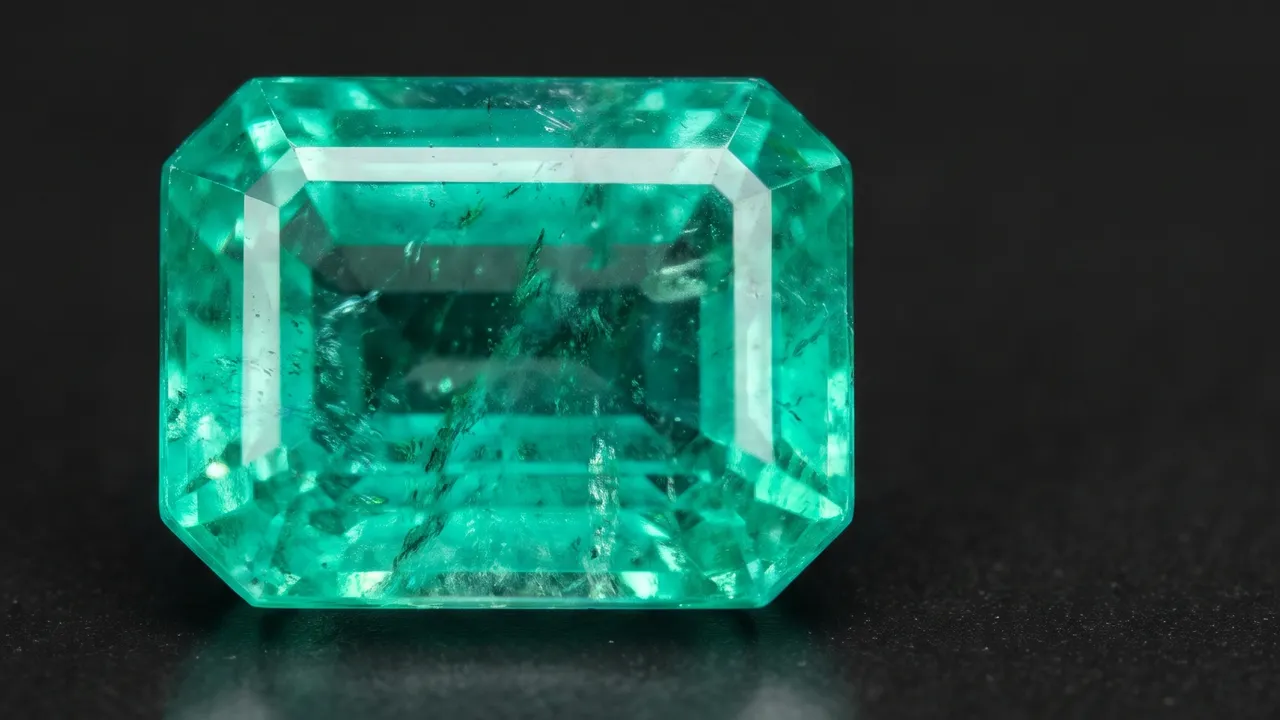
Emerald · No Oil · good 1 ct
$3,100–$5,300 /ct
+53% over 5 years, est.
How we price gems
Where the prices come from, what the grades mean and what the figures can't tell you.
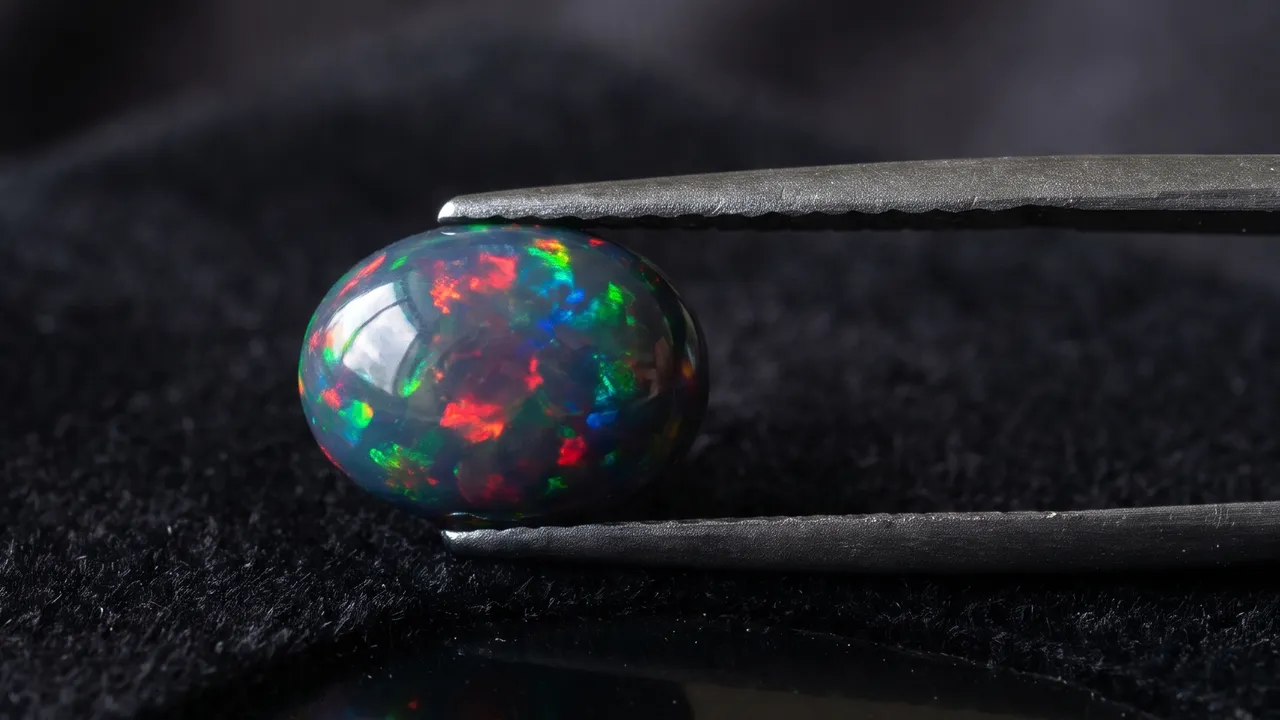 Play-of-colorSilkJardinPleochroism
Gem glossary
Silk, jardin, extinction, clarity types and the rest, in plain English.
Price guides by gem
Each guide has prices by quality and weight, what treatment does to value, and how to tell the gem is real.
Diamond prices: natural vs lab-grownColorless to fancy colorsRuby price per caratPigeon-blood to pinkish redSapphire price per caratRoyal blue and fancy colorsEmerald price per caratVivid bluish greenOpal price per caratPlay-of-color on light to black bodySpinel price per caratRed, pink and cobalt blueAmethyst price per caratLilac to deep purpleAquamarine price per caratSea blue to blue-greenTopaz price per caratBlue, imperial orange, pinkGarnet price per caratDeep red to vivid greenTourmaline price per caratEvery color, often two at onceJade pricesImperial green to lavenderTanzanite price per caratViolet bluePeridot price per caratOlive to lime greenMorganite price per caratPeachy pinkAlexandrite price per caratGreen by day, red by nightTurquoise pricesRobin's-egg blueGem price questions
Where do these gem prices come from?
For ruby, sapphire, emerald, opal, spinel, garnet, tourmaline, and tanzanite, the figures come from the Ruby Glint app's price tables, which give a per-carat range for each quality grade, treatment and weight. For the other gems the page shows a broad retail range for gem-quality material. All figures are estimates for reference, not appraisals.
What does price per carat mean?
It is the price of a gem divided by its weight in carats (one carat is 0.2 grams). To estimate a stone, multiply its weight by the per-carat price for its quality. Per-carat prices rise with size, so use the row that matches your stone's weight.
Why is the range for one gem so wide?
Quality differences are large. Commercial stones sit at the bottom of the range and top color, eye-clean stones at the top, and treatment and origin move a stone further. Each gem's price page breaks the range down by quality and weight.
How do I find out what my own gem is worth?
Use the value calculator for your gem: enter the weight, color, treatment and origin and it returns an estimated range. For insurance or a sale, get a written appraisal from a qualified gemologist.
Ruby Glint app
Track gem prices in the app
Follow price trends over 1, 3, 5 and 10 years, and see what the stones in your own collection are worth as prices move.