Diorite
A variety of Igneous
What is Diorite?
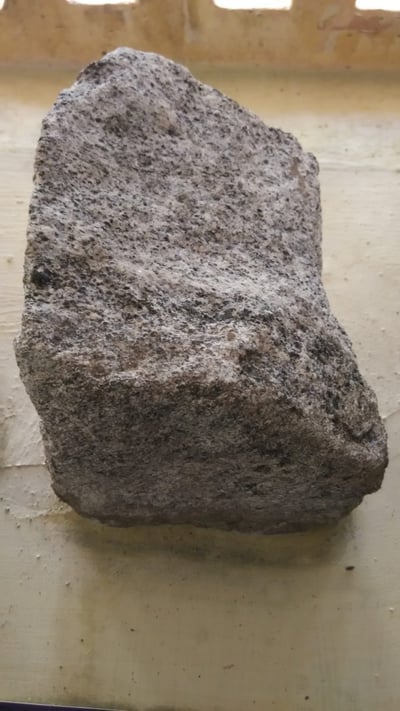
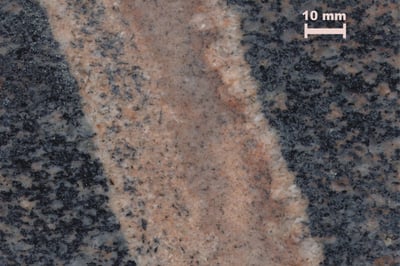
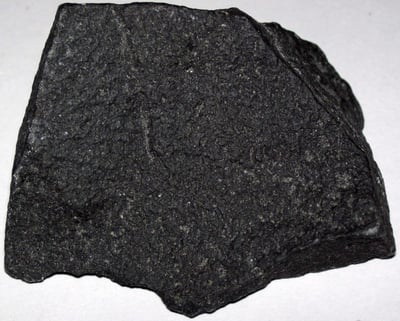
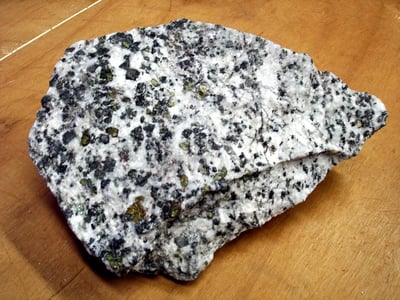
Diorite rock has a contrasting mix of black and white mineral grains. The most famous diorite sculpture is the Code of Hammurabi, a black pillar inscribed with Babylonian laws. Diorite accepts a bright polish and can be attractive as a gemstone. It is used in the construction of roads and buildings and is cut and polished for building facings.
Uses & Applications
Diorite is a common choice for stone countertops in modern kitchens and bathrooms. When crushed, it can be used to make road pavement, as well as the base structure for buildings and parking lots. Due to its applications for construction as well as its beauty, its use dates back to the Incan and Mayan civilizations.
Discover Values
Market Value Factors
Pricing varies for every rock and mineral, so use these universal factors to gauge Diorite before comparing listings or appraisals.
Size & Weight
Larger, intact specimens usually command higher prices.
Rarity & Demand
Scarce material or popular varieties sell at a premium.
Condition & Finish
Chips, repairs, and heavy wear lower value; clean prep helps.
Treatment & Provenance
Untreated specimens with documented locality are prized.
Key Characteristics
Formation of Diorite
Diorite, which is very rare, underlies comparatively small areas; source localities include Leicestershire (one name for microdiorite—markfieldite—exists due to the rock's being found in the village of Markfield) and Aberdeenshire, UK; Guernsey; Sondrio, Italy; Thuringia and Saxony in Germany; Finland; Romania; Northeastern Turkey; central Sweden; southern Vancouver Island around Victoria; the Darran Range of New Zealand; the Andes Mountains; and Concordia in South Africa. An orbicular variety found in Corsica is called corsite.
Clasts of Diorite
Dacite, andesite, granodiorite, diorite, vein quartz, and silicified tuff
Quick Facts
Physical Properties
- Color
- Dark gray, white, black
- Hardness (Mohs)
- 6 - 7
- Rock tumbling
- With care
- Density
- 2.8 - 3 g/cm³
Chemical Properties
Identify Diorite Instantly
- Snap a photo, get instant results
- 6,700+ rocks, minerals & crystals
- Discover collecting spots near you
Diorite FAQs
How do I identify Diorite?
Diorite can be identified by its hardness of 6 - 7 on the Mohs scale, Dark gray color. Look for these key characteristics when examining specimens.
What color is Diorite?
Diorite typically appears in Dark gray, white, black. Color can vary depending on impurities and formation conditions.
How hard is Diorite?
Diorite has a hardness of 6 - 7 on the Mohs scale. This gives it moderate hardness.
What is the formation of diorite of Diorite?
Diorite, which is very rare, underlies comparatively small areas; source localities include Leicestershire (one name for microdiorite—markfieldite—exists due to the rock's being found in the village of Markfield) and Aberdeenshire, UK; Guernsey; Sondrio, Italy; Thuringia and Saxony in Germany; Finland; Romania; Northeastern Turkey; central Sweden; southern Vancouver Island around Victoria; the Darran Range of New Zealand; the Andes Mountains; and Concordia in South Africa. An orbicular variety found in Corsica is called corsite.
What is the clasts of diorite of Diorite?
Dacite, andesite, granodiorite, diorite, vein quartz, and silicified tuff