Ferroselite
A variety of Marcasite Group
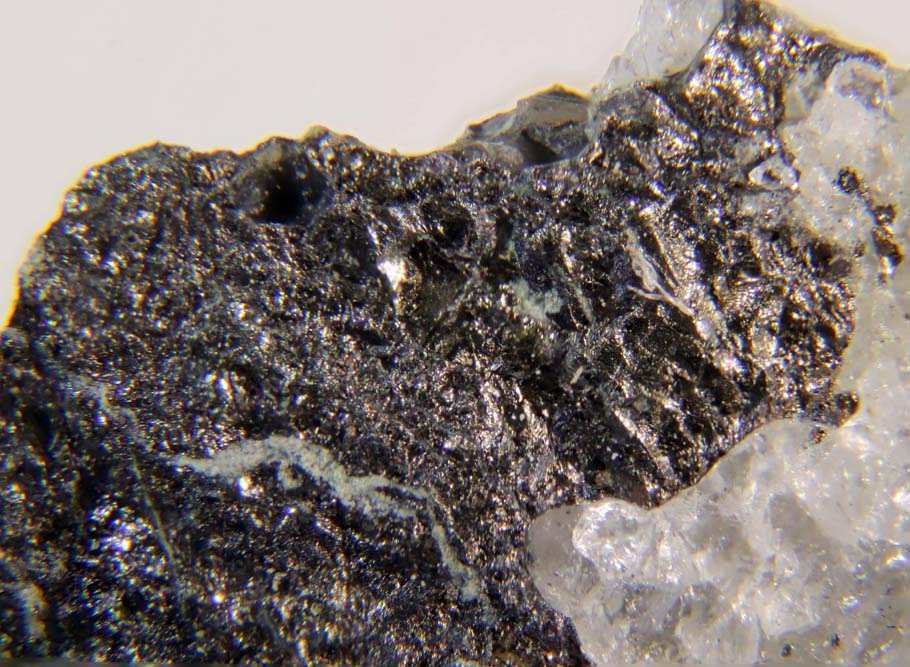
What is Ferroselite?
Orthorhombic ferroselite and its isometric polymorph dzharkenite are iron selenides of general formula FeSe2 precipitated under reducing conditions in anoxic environments. They are a source of selenium in the Rocky Mountains where selenium occurrence is associated with Upper Cretaceous shale deposits. In the frame of safety assessment calculations made for deep disposal of high-level radioactive waste, ferroselite and dzharkenite are also considered in geochemical calculations as one of the mineral phases limiting the solubility of Selenium-79.
Market Value Factors
Pricing varies for every rock and mineral, so use these universal factors to gauge Ferroselite before comparing listings or appraisals.
Size & Weight
Larger, intact specimens usually command higher prices.
Rarity & Demand
Scarce material or popular varieties sell at a premium.
Condition & Finish
Chips, repairs, and heavy wear lower value; clean prep helps.
Treatment & Provenance
Untreated specimens with documented locality are prized.
Quick Facts
Physical Properties
- Color
- Steel gray to tin white with rose tint, brass yellow
- Hardness (Mohs)
- 6 - 6.5
- Rock tumbling
- With care
- Density
- 7.139 g/cm³
- Streak
- Black
Chemical Properties
- Chemical Formula
- FeSe2
- Elements
- Fe, Se
Identify Ferroselite Instantly
- Snap a photo, get instant results
- 6,700+ rocks, minerals & crystals
- Discover collecting spots near you
Ferroselite FAQs
How do I identify Ferroselite?
Ferroselite can be identified by its hardness of 6 - 6.5 on the Mohs scale, Steel gray to tin white with rose tint color. Look for these key characteristics when examining specimens.
What color is Ferroselite?
Ferroselite typically appears in Steel gray to tin white with rose tint, brass yellow. Color can vary depending on impurities and formation conditions.
How hard is Ferroselite?
Ferroselite has a hardness of 6 - 6.5 on the Mohs scale. This gives it moderate hardness.

