Perlite
A variety of Igneous

What is Perlite?
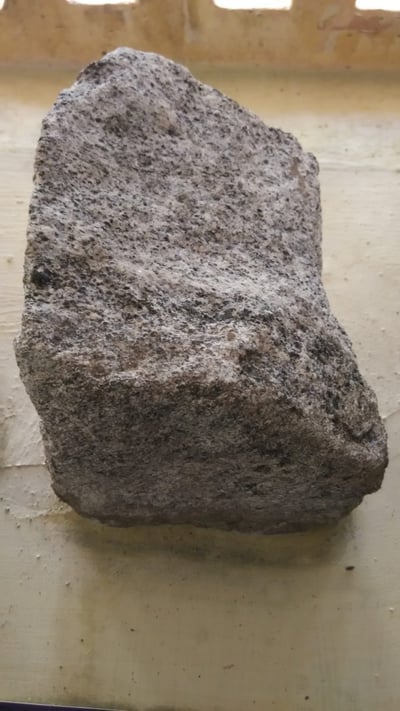
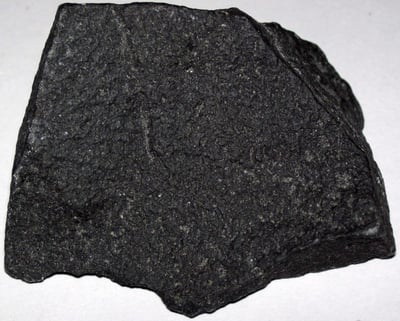
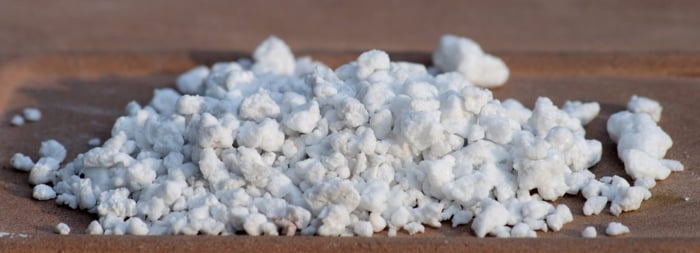
Perlite is a powdery or pebble-like form of volcanic glass. This lightweight mineral has made its way into many industrial processes, from plaster formation to beer filtering. Gardeners, though, will be more familiar with it as a common soil additive. White perlite grains added to soil help it stay aerated and increase drainage.
Uses & Applications
Perlite has many uses in construction, including as a main ingredient in plaster and mortar, as well as in veneers for ceramic tiles and stucco. It is commonly used in insulation as a fireproofing agent. Perlite also has horticultural uses, commonly added to soil in houseplant pots to provide greater aeration without adding much weight.
Market Value Factors
Pricing varies for every rock and mineral, so use these universal factors to gauge Perlite before comparing listings or appraisals.
Size & Weight
Larger, intact specimens usually command higher prices.
Rarity & Demand
Scarce material or popular varieties sell at a premium.
Condition & Finish
Chips, repairs, and heavy wear lower value; clean prep helps.
Treatment & Provenance
Untreated specimens with documented locality are prized.
Geochemistry
70–75% silicon dioxide: SiO2 12–15% aluminium oxide: Al2O3 3–4% sodium oxide: Na2O 3–5% potassium oxide: K2O 0.5-2% iron oxide: Fe2O3 0.2–0.7% magnesium oxide: MgO 0.5–1.5% calcium oxide: CaO 3–5% loss on ignition (chemical / combined water)
Key Characteristics
Characteristics of Perlite
Perlite softens when it reaches temperatures of 850–900 °C (1,560–1,650 °F). Water trapped in the structure of the material vaporises and escapes, and this causes the expansion of the material to 7–16 times its original volume. The expanded material is a brilliant white, due to the reflectivity of the trapped bubbles. Unexpanded ("raw") perlite has a bulk density around 1100 kg/m (1.1 g/cm), while typical expanded perlite has a bulk density of about 30–150 kg/m (0.03–0.150 g/cm).
Composition of Perlite
70–75% silicon dioxide: SiO2 12–15% aluminium oxide: Al2O3 3–4% sodium oxide: Na2O 3–5% potassium oxide: K2O 0.5-2% iron oxide: Fe2O3 0.2–0.7% magnesium oxide: MgO 0.5–1.5% calcium oxide: CaO 3–5% loss on ignition (chemical / combined water)
Health & Safety Information
- ⚠️Perlite can be substituted for all of its uses. Substitutes include: Diatomite, used for filter-aids Expanded clay, an alternative lightweight filler for building materials Shale Pumice Slag Vermiculite - many expanders of perlite are also exfoliating vermiculite and belong to both trade associations
More Images
Quick Facts
Physical Properties
- Color
- Typically white, light gray
- Hardness (Mohs)
- 5.5
- Rock tumbling
- With care
Chemical Properties
Identify Perlite Instantly
- Snap a photo, get instant results
- 6,700+ rocks, minerals & crystals
- Discover collecting spots near you
Perlite FAQs
How do I identify Perlite?
Perlite can be identified by its hardness of 5.5 on the Mohs scale, Typically white color. Look for these key characteristics when examining specimens.
What color is Perlite?
Perlite typically appears in Typically white, light gray. Color can vary depending on impurities and formation conditions.
How hard is Perlite?
Perlite has a hardness of 5.5 on the Mohs scale. This gives it moderate hardness.
What is the characteristics of perlite of Perlite?
Perlite softens when it reaches temperatures of 850–900 °C (1,560–1,650 °F). Water trapped in the structure of the material vaporises and escapes, and this causes the expansion of the material to 7–16 times its original volume. The expanded material is a brilliant white, due to the reflectivity of the trapped bubbles. Unexpanded ("raw") perlite has a bulk density around 1100 kg/m (1.1 g/cm), while typical expanded perlite has a bulk density of about 30–150 kg/m (0.03–0.150 g/cm).
What is the composition of perlite of Perlite?
70–75% silicon dioxide: SiO2 12–15% aluminium oxide: Al2O3 3–4% sodium oxide: Na2O 3–5% potassium oxide: K2O 0.5-2% iron oxide: Fe2O3 0.2–0.7% magnesium oxide: MgO 0.5–1.5% calcium oxide: CaO 3–5% loss on ignition (chemical / combined water)