Gem value calculator
What is your gem worth?
Pick your gem and answer a few questions about its weight, color and treatment. You get an estimated value in under a minute.
Updated
Which gem do you have?
Pick one to start. You'll answer a few questions about color, clarity and weight.
Don't see your gem?
We don't have a calculator for these yet. Their price charts show what they sell for by size and quality.
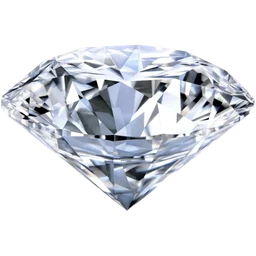 Diamond
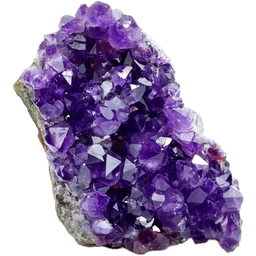 Amethyst
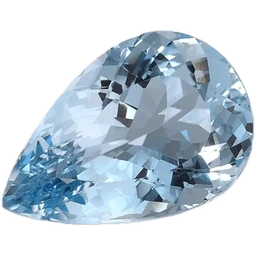 Aquamarine
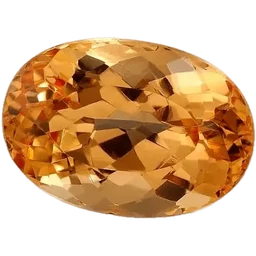 Topaz
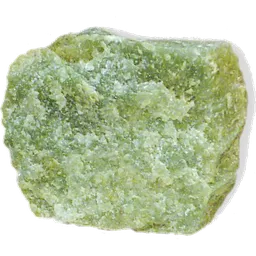 Jade
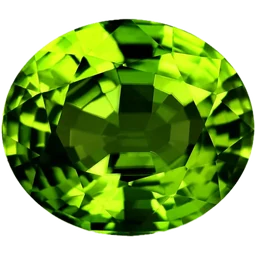 Peridot
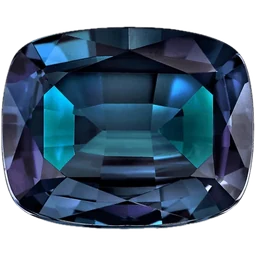 Alexandrite
 Turquoise
Prices as of September 2026, from the same price tables as the Ruby Glint app. Estimates for reference, not appraisals. How we price gems
How it works
Step 1
Pick your gem
Choose from ruby, sapphire, emerald, opal, spinel, garnet, tourmaline, and tanzanite.
Step 2
Answer a few questions
Color, clarity, exact carat weight, treatment and origin. Answer “Not sure” where you don’t know.
Step 3
See the estimate
You get an estimated value, the price range around it and the price per carat.
What changes a gem's value
The calculator asks about each of these, because together they explain most of the price.
Color
Rich, even color raises value more than anything else. The top shades of ruby, sapphire and emerald carry large premiums.
Clarity
Cleaner stones are worth more, though some inclusions are expected in gems like emerald.
Carat weight
Price per carat climbs with size, so a 3 ct stone is worth far more than three 1 ct stones of the same quality.
Cut
A well-cut stone returns light evenly. A poor cut hides color and carries dead weight you still pay for.
Treatment and origin
Untreated stones and a few famous origins sell for more, but usually only with a lab report to prove it.
An estimate is not an appraisal
The calculator tells you roughly where a stone sits. It can't examine the stone, so it can't replace a gemologist.
- Use the estimate for: a quick check before you buy, sell or insure, and to decide whether a stone is worth sending to a lab.
- Use a professional when: the estimate is high, a buyer asks for documents, or you need a value for insurance.
Frequently asked questions
Is the gemstone value calculator free?
Yes. It runs in your browser, needs no account and has no limit on how many stones you value.
Which gems can I value?
Ruby, sapphire, emerald, opal, spinel, garnet, tourmaline, and tanzanite. For other gems, such as diamond, amethyst, aquamarine and topaz, the price chart for each gem shows what it sells for by size and quality.
Where do the prices come from?
From the same price tables the Ruby Glint app uses, which give a per-carat range for each quality grade, treatment and weight. A stone gets the same estimate here and in the app.
Is this an appraisal?
No. It is an estimate for a loose, natural stone, for reference only. For insurance or a sale, get a lab report and a written appraisal from a qualified gemologist.
Why do I get a range and not one price?
Two stones with the same weight and grade still sell for different prices depending on cut, the exact color and where they are sold. A range is closer to how gems are really priced.
What if I don't know what gem I have?
Use the gemstone identifier to get a likely match from a photo first, then come back and value it. A photo match is a starting point, so confirm a valuable stone with a gemologist.
Ruby Glint app
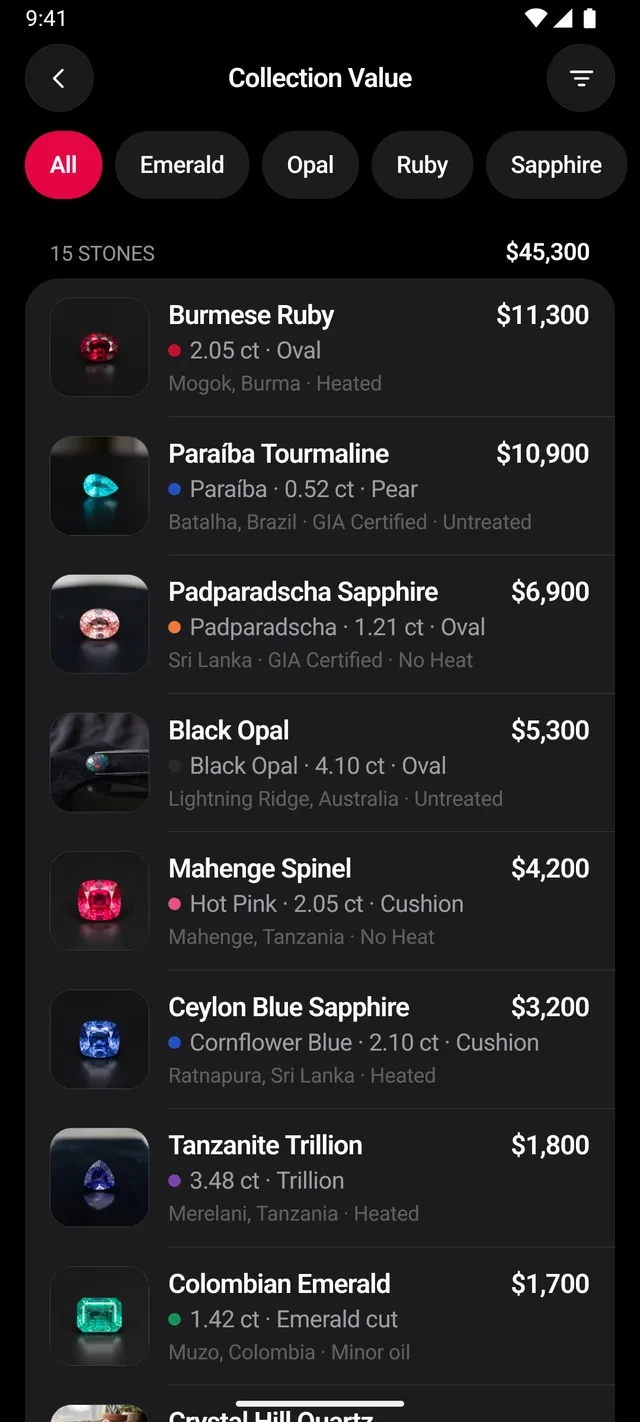
See what your whole collection is worth
Log every gem you own in Ruby Glint and get an estimated value for each stone and for the collection, based on current gem prices.
- Add weight, treatment, origin and lab report for each stone
- Values update as gem prices move
- Price history over 1, 3, 5 and 10 years

